
The Paleo diet focuses on eating foods that are closer to what humans traditionally consumed, including meat, fish, eggs, vegetables, fruits, nuts, seeds, and certain minimally processed foods. This often raises an important question for fitness enthusiasts: Can you have whey protein on a Paleo diet?
Quick Answer
Yes, whey protein can be included in a flexible Paleo diet, but strict Paleo generally excludes dairy. Whey can help meet protein needs conveniently, especially for active people. However, whole-food sources like eggs, fish, meat, nuts, and seeds should remain the foundation of a Paleo-style diet.
What Is the Paleo Diet?
The Paleo diet generally emphasizes whole foods while limiting highly processed foods, grains, legumes, refined sugars, and dairy. The exact rules can vary between individuals and different interpretations of the diet.
The primary goal is usually to build meals around nutrient-dense foods such as eggs, meat, seafood, vegetables, fruits, nuts, and seeds.
Because whey protein is derived from milk, it does not fit into a strict traditional Paleo framework. However, people sometimes adapt dietary approaches based on their personal nutrition goals, activity levels, and tolerance to particular foods.
Is Whey Protein Paleo-Friendly?
From a strict definition, whey protein is generally not considered Paleo-friendly because it is a dairy-derived protein.
Whey is produced during the cheese-making process and contains high-quality protein along with essential amino acids. Whey protein isolate undergoes additional processing to remove much of the fat and lactose.
If you're interested in understanding the differences between whey products, you can read this guide on whey protein isolate and its benefits.
For someone following a strict Paleo diet, whole-food protein sources are usually the preferred option. For someone following a flexible version, whey may be considered a practical supplement depending on individual preferences.
Why Do People Consider Whey Protein While Following Paleo?
One major reason is convenience.
Getting enough protein from whole foods can sometimes be difficult, particularly for people who exercise regularly, have busy schedules, or need a quick post-workout option.
Whey protein provides a concentrated source of protein that can be mixed with water and consumed conveniently. However, it should be viewed as a supplement rather than a replacement for nutrient-rich whole foods.
If you're unsure how much protein you need each day, our guide on daily protein requirements for different needs can help you understand the factors that influence your protein intake.
Whey Protein vs Whole-Food Protein on Paleo
Whole foods remain the foundation of a traditional Paleo approach.
Eggs, chicken, fish, lean meat, seafood, nuts, and seeds can all contribute protein to your daily diet. These foods also provide other nutrients that supplements may not provide in the same combination.
Whey protein, on the other hand, is primarily used for convenience and increasing protein intake.
For example, someone who already eats sufficient protein from eggs, chicken, fish, and meat may have little reason to add whey. Someone struggling to reach their protein target may find a protein supplement convenient, particularly around workouts.
The important question is therefore not simply whether whey is Paleo, but whether it fits your personal interpretation of the diet and nutritional requirements.
What About Whey Protein for Muscle Building?
Following a Paleo diet does not automatically prevent you from building muscle. Muscle development depends on several factors, including resistance training, adequate protein, sufficient energy intake, recovery, and consistency.
If you're interested in building muscle while following a high-protein diet, your total daily protein intake is more important than relying on one particular food or supplement.
Whey can provide high-quality protein, but it isn't essential for muscle growth. Whole-food protein sources can also provide the amino acids needed to support muscle maintenance and development.
For additional information, you can read about how protein quality affects muscle recovery and fat loss.
Can Clear Whey Protein Fit Into a Paleo Diet?
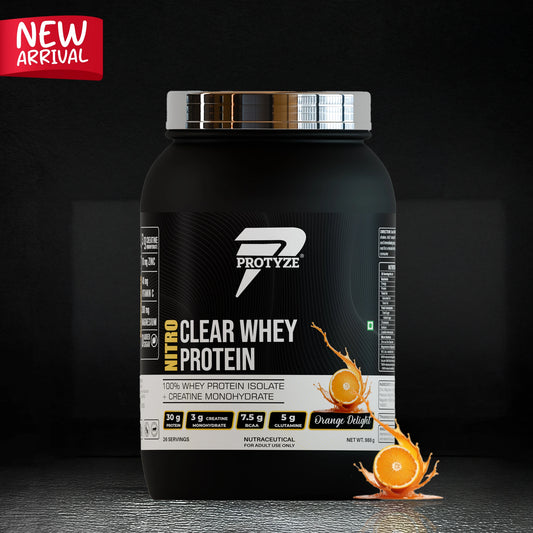
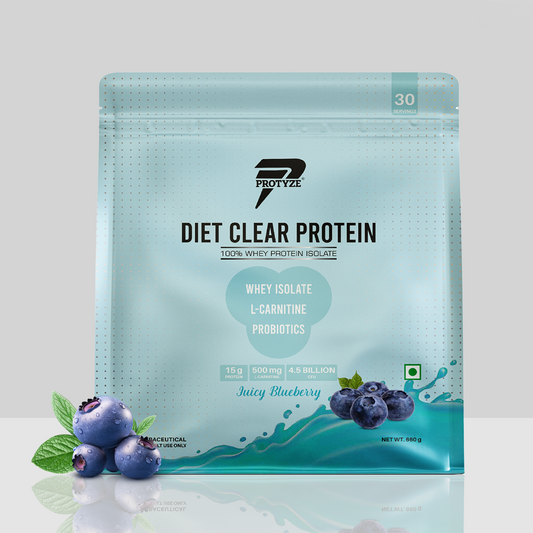
Clear whey protein is still whey protein, meaning it is derived from milk. Therefore, the fact that it looks and tastes more like a fruit-flavored drink than a traditional milkshake does not automatically make it Paleo.
This distinction is important when choosing supplements.
If your version of Paleo excludes all dairy products, clear whey would generally not fit that approach. If you're following a flexible diet and simply trying to prioritize minimally processed foods while meeting your protein requirements, you may make a different choice.
Always check the ingredient list and nutritional information before adding a supplement to your routine.
What If Whey Causes Digestive Issues?
Some people experience digestive discomfort after consuming certain dairy-based protein products. Individual tolerance can vary depending on the product, serving size, lactose content, and personal sensitivity.
Whey protein isolate generally contains less lactose than whey concentrate, although it is still a dairy-derived product.
If digestion and gut health are important considerations for your nutrition routine, you may also find our guide on the gut microbiome and better digestion useful.
If you consistently experience digestive symptoms after consuming a product, consider discussing your concerns with a qualified healthcare professional rather than assuming that every type of whey protein will affect you in the same way.
Paleo, Protein and Your Fitness Goals
The best diet is one that supports your nutritional needs while remaining practical enough to follow consistently.
If your main goal is fat loss, for example, your overall calorie intake, food quality, activity level, protein intake, and adherence matter more than whether you use a particular supplement.
Similarly, if your goal is muscle gain, resistance training and sufficient protein should be your primary focus.
For people looking for protein options for muscle growth and weight gain, our guide to protein powders for weight gain and muscle growth provides additional information.
So, Can You Have Whey Protein on a Paleo Diet?
If you follow a strict Paleo diet, whey protein generally doesn't fit because it comes from dairy.
If you follow a flexible or modified Paleo approach, you may choose to include whey protein based on your personal nutritional goals, food preferences, and tolerance.
The key is to understand that whey protein is a supplement, not a requirement. A well-planned Paleo-style diet can provide substantial protein through eggs, meat, fish, and other whole foods.
Ultimately, choose the approach that allows you to meet your nutritional requirements while maintaining a sustainable and balanced eating pattern.