
Why High-Protein Foods Are Important in Winter for Fitness
Winter can be tough on your body. The cold makes you want to stay indoors, and shorter days can lower your mood and energy. For fitness lovers, this can mean less motivation to work out or eat right. But adding high-protein foods to your diet can change that.
-
First, protein helps you stay warm. When your body digests protein, it uses more energy than for carbs or fats. This process creates heat, which is nice in cold weather. It's like your body has its own heater.
-
Second, protein keeps you full for longer. In winter, you might crave heavy foods like sweets or fried snacks. But high-protein meals slow down digestion, so you don't get hungry quickly. This helps you avoid extra calories and stay on track with your fitness plan.
-
Third, protein supports your immune system. Winter is flu season, and being sick can stop your workouts. Protein helps make antibodies that fight germs, keeping you healthy and active.
-
Fourth, protein helps with muscle repair. If you work out in winter, your muscles need repair from the stress of cold weather and exercise. High-protein foods give the building blocks for that.
- Fifth, protein gives steady energy. Unlike sugary foods that give a quick high and then a crash, protein releases energy slowly. This is great for winter when you need lasting energy for gym sessions or daily tasks.
For fitness lovers, high-protein winter soups, kadhas, and herbal drinks are perfect because they're warm, easy to make, and can be packed with protein from ingredients like eggs, chicken, lentils, or even supplements. They help you stay full longer, so you can focus on your goals without constant hunger.
What Are Kadhas and Herbal Drinks?
Before we get to the recipes, let's explain what kadhas and herbal drinks are. Kadhas are traditional hot drinks made from herbs, spices, and sometimes fruits or veggies. They are boiled together to make a strong, warming brew. In winter, kadhas are popular because they help with colds, digestion, and energy.
Herbal drinks are similar but lighter. They use herbs like ginger, tulsi, or mint steeped in hot water. They're like tea but with more health benefits.
Both can be made high-protein by adding ingredients like milk, nuts, or protein powder. They keep you full longer and give a warm feeling in winter, making them ideal for fitness lovers who want nutrition and comfort in one cup.
High-Protein Winter Soups for Fitness Lovers
Soups are one of the easiest ways to add protein in winter. When prepared correctly, they can be filling, comforting, and nutritionally balanced.
1. Lentil (Dal) Soup
Lentils are a winter staple for a reason. They are rich in plant protein and fiber and naturally warming.
Why it works
- High in protein and fiber
- Keeps you full for longer
- Easy to digest when well cooked
How to make it fitness-friendly
- Use moong dal or masoor dal
- Add vegetables like carrots or spinach
- Limit oil to 1 teaspoon
- Use spices like cumin, ginger, and black pepper
Best time to have: Lunch or early dinner
2. Chicken Bone Broth with Protein Boost
Bone broth is popular among fitness lovers for joint health and recovery.
Why it works
- Contains amino acids like glycine and proline
- Supports joints, immunity, and gut health
- Naturally warming
How to increase protein
- Add shredded chicken breast
- Simmer with ginger, garlic, and turmeric
- Avoid cream or butter
Best time to have: Evening or post-workout
3. Paneer and Vegetable Soup
Paneer adds slow-digesting protein and richness without the need for cream.
Why it works
- High protein and calcium
- Keeps you satisfied for hours
- Good for muscle maintenance
How to prepare
- Use crumbled paneer (small quantity)
- Add vegetables like broccoli, peas, and capsicum
- Season with pepper and herbs
Best time to have: Dinner on training days
4. Soybean or Tofu Soup
Soybeans and tofu are excellent plant-based protein sources for winter.
Why it works
- High protein content
- Helps muscle recovery
- Suitable for vegetarians
Tips
- Use fermented soy (like tempeh) if digestion is sensitive
- Keep flavors simple with ginger and herbs
Best time to have: Lunch or dinner
5. Egg Drop Soup (Light Version)
Egg drop soup is simple, quick, and protein-rich.
Why it works
- High-quality protein
- Light and easy to digest
- Minimal ingredients
How to make
- Use vegetable or chicken broth
- Whisk one egg into hot broth
- Add spring onions and pepper
Best time to have: Post-workout or light dinner
Traditional Kadhas with a Protein Twist
Kadhas are deeply rooted in Indian tradition. While most kadhas focus on immunity and digestion, they can be adjusted to support protein needs too.
1. Moong Dal Kadha
This is a thin, spiced dal drink.
Why it works
- Provides plant protein
- Easy to digest
- Warming and soothing
How to prepare
- Pressure cook moong dal
- Blend and strain for a thin texture
- Add cumin, ginger, and turmeric
Best time to have: Evening or dinner starter
2. Almond and Seed Kadha
Almonds and seeds add protein and healthy fats.
Why it works
- Supports muscle and hormone health
- Keeps you warm
- Improves satiety
Ingredients
- Soaked almonds (blended)
- Pumpkin or flax seeds
- Cinnamon and cardamom
Best time to have: Morning or mid-afternoon
3. Chickpea Water (Chana Jal) Kadha
Often overlooked, chickpea water contains small amounts of protein and minerals.
Why it works
- Light on digestion
- Supports satiety
- Helps hydration
How to prepare
- Soak chickpeas overnight
- Boil and strain the water
- Add cumin and ginger
Best time to have: Pre-meal drink
Herbal Protein-Supporting Drinks for Winter
Herbal drinks don’t usually contain protein directly, but they support digestion, immunity, and recovery, which helps the body use protein better.
1. Turmeric and Ginger Milk (Low-Fat)
Why it works
- Supports recovery and immunity
- Mild protein from milk
- Anti-inflammatory
Fitness tip
- Use low-fat milk or plant milk
- Avoid sugar
Best time: Before bed
2. Cinnamon and Clove Herbal Drink
Why it works
- Improves insulin sensitivity
- Helps appetite control
- Warming effect
Best time: Morning or evening
3. Ashwagandha Herbal Drink
Why it works
- Supports recovery and stress control
- Helps sleep quality
- Indirectly supports muscle growth
Best time: Night
How a Light Protein Drink Fits Into Winter Rituals
Some days, even soups feel too heavy—especially early morning or after workouts. This is where a light, water-based whey protein drink can complement winter nutrition.
Instead of replacing meals, it works alongside soups, kadhas, or breakfast.
For example:
- Soup + toast + light protein drink
- Kadha + fruit + protein drink
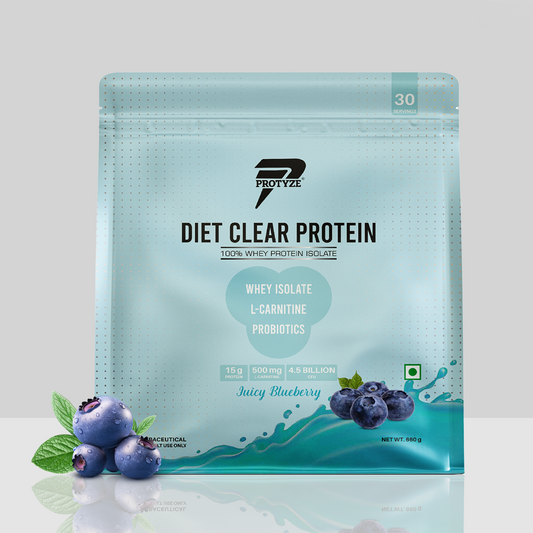
A juice-like, easy-to-digest protein such as Protyze Anytime Clear Whey Protein fits naturally here. It:
- Mixes with water
- Feels refreshing, not heavy
- Supports daily protein intake
- Complements meals instead of replacing them
This approach helps fitness lovers stay consistent even on days when appetite is low.
Tips for Fitness Lovers in Winter
Winter can slow you down, but with high-protein meals, you can stay strong:
- Eat warm foods to feel cozy.
- Drink lots of water, even in cold weather.
- Work out indoors if it's too cold outside.
- Get enough sleep to help protein work.
- Mix cardio and strength training for balance.
These tips help you stay fit all winter.
Conclusion
Winter nutrition doesn’t have to be heavy or complicated. With the right approach, soups, kadhas, and herbal drinks can become powerful tools for fitness lovers.
When prepared smartly, they:
- Keep you warm
- Support protein intake
- Improve digestion and immunity
- Help control appetite
Whole foods should always be the foundation. On days when eating enough protein feels hard, a light, juice-like protein complement such as Protyze Anytime Clear Whey Protein can support your routine without replacing meals or burdening digestion.
FAQ's
1. Which winter soups are highest in protein?
Winter soups made with lentils, chickpeas, paneer, tofu, chicken, or whey protein isolate offer the highest protein. Clear protein–added soups are especially light, filling, and easy to digest.
2. Can kadha be a good source of protein?
Traditional kadhas are immunity-focused, but adding protein sources like clear whey protein or plant protein can turn kadhas into muscle-supporting winter drinks without changing taste or texture.
3. Are herbal drinks enough to meet protein needs in winter?
Herbal drinks alone don’t provide enough protein, but when combined with clear protein or collagen protein, they help improve satiety, recovery, and daily protein intake—especially in cold weather.