
The relationship between whey protein consumption and psoriasis symptoms is complex and highly individualized, defying simple classification as either entirely beneficial or a “great harm”. While general dietary advice for managing this chronic inflammatory condition often suggests caution with dairy and inflammation triggers, emerging scientific research presents a compelling counter-narrative, suggesting that specific types of whey protein isolates may, in fact, offer therapeutic benefits for some patients. The perceived risk largely stems from general dairy sensitivities, but clinical studies indicate that a properly chosen whey supplement, particularly a bioactive, non-denatured whey isolate, can be a safe and potentially helpful addition to a psoriasis-friendly diet.
The Origin of Concern: Dairy and Individual Triggers
Psoriasis is an autoimmune disease driven by heightened systemic inflammation and oxidative stress. A common dietary recommendation is to avoid potential inflammatory triggers, with dairy products frequently cited as a psoriasis trigger for some individuals. The concern is rooted in the presence of casein, a protein in milk that can be difficult for some people to digest, leading to gastrointestinal irritation that may exacerbate systemic inflammation.
For patients who have a confirmed dairy allergy or lactose intolerance, consuming standard whey protein products (which often contain some lactose and various dairy proteins) can indeed trigger adverse reactions, including the worsening of skin flare-ups. In these specific cases, the harm is real, yet contingent upon the individual’s pre-existing sensitivity—not an inherent inflammatory property of all whey protein for all patients.
The Case for Benefit: Bioactive Whey Protein Isolates
Contrary to the “great harm” narrative, several small pilot studies have shown promising results for certain types of whey protein isolates in improving psoriasis symptoms. The key lies in the type of whey used.
Glutathione Enhancement
Psoriasis patients often exhibit lower levels of glutathione, the body’s primary antioxidant, making them more susceptible to oxidative stress. Bioactive, non-denatured whey protein isolates are rich in the amino acid cysteine, a crucial precursor for glutathione synthesis. By enhancing the body’s natural antioxidant defenses, this type of whey can help mitigate the inflammation associated with the condition.
Immune Modulation
Specific extracts, like Bioactive Sweet Whey Extract (BSWE) or XP-828L (Dermylex), have demonstrated immune-regulating properties. Clinical trials have indicated that these extracts can down-regulate the production of pro-inflammatory cytokines such as TNF-alpha and interleukins (IL-2, IL-6), which are known to drive psoriatic disease. Oral administration in studies led to significant improvements in PASI scores, skin lesion size, and itching sensations, all without significant side effects.
Nutritional Support
Psoriasis involves rapid turnover of skin cells and significant scaling, leading to a loss of protein from the body. Ensuring adequate protein intake is important for overall health and tissue repair, and whey protein is a high-quality, easily digestible source, provided the patient is not dairy-sensitive.
Anytime Clear Protein: A Gentle, Low-Lactose Option
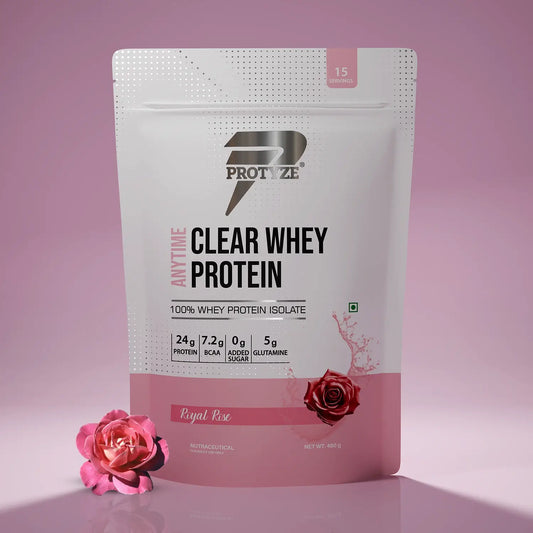
A practical example of a patient-friendly option is Anytime Clear Protein, which is:
-
99% lactose-free – reducing digestive irritation and potential flare-ups
-
24g protein per serving – ideal for daily protein intake, tissue repair, and antioxidant support
-
Clear whey isolate – lighter, easier to digest, and suitable for individuals who struggle with milky protein shakes
This makes it a strong choice for people seeking a non-irritating whey protein for psoriasis or a clean, refreshing protein supplement that aligns with anti-inflammatory dietary goals.
Conclusion
Labeling all whey protein as a “great harm” to psoriasis patients oversimplifies a nuanced interaction between diet, immune function, and individual physiology. While a subset of patients with dairy sensitivities must avoid it, specific, clinically studied whey protein isolates—and gentle options like Anytime Clear Protein (99% lactose-free)—have shown potential as safe and effective complementary choices for others.
However, because psoriasis is highly individualized, always consult a physician, dermatologist, or certified nutritionist before consuming whey protein or any nutraceutical product to ensure safety and suitability for your personal health needs.
FAQ'S
1. Can whey protein worsen psoriasis symptoms?
Ans: Whey protein itself doesn’t cause psoriasis, but poor-quality whey with lactose, sugar, or additives may increase inflammation in sensitive individuals, potentially triggering flare-ups.
2. Is whey protein inflammatory for people with psoriasis?
Ans: Not always. High-purity whey protein isolate is generally anti-inflammatory, while lactose-heavy or processed whey can stress the gut and worsen inflammatory responses.
3. Which type of whey protein is safest for psoriasis?
Ans: Clear whey protein isolate or low-lactose whey isolate is usually better tolerated, as it’s lighter, easier to digest, and less likely to trigger inflammation.
4. Should people with psoriasis avoid protein supplements completely?
Ans: No. Protein is essential for immune balance and skin repair. The key is choosing clean, easily digestible protein without lactose, sugar, or artificial additives.
5. Can protein help with psoriasis recovery and skin repair?
Yes. Adequate protein supports skin regeneration, immune balance, and muscle recovery. Choosing a light, clean protein source helps provide benefits without triggering inflammation.