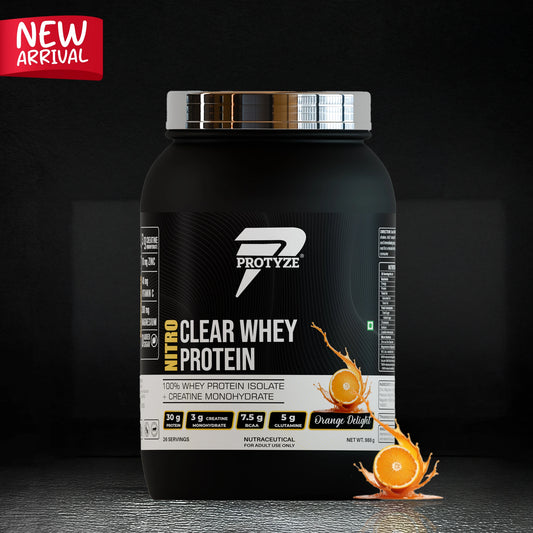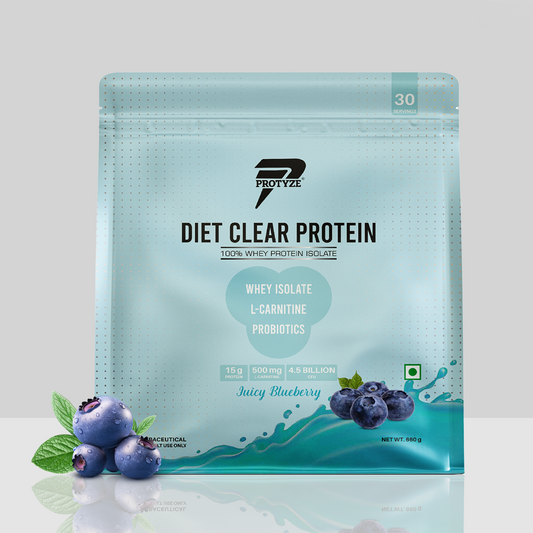

When temperatures drop, many people become less active, spend more time indoors, and reach for comforting, calorie-dense foods. Maintaining a balanced diet during winter can therefore become challenging. One nutrient that can play an important role in supporting your fitness and nutrition goals is protein.
Beyond its role in building and repairing muscles, protein has another interesting characteristic: it has a relatively high thermic effect of food (TEF). This means your body uses energy to digest, absorb, and metabolize protein.
Quick Answer
Protein has a higher thermic effect of food than carbohydrates and fats, meaning your body uses more energy to digest, absorb, and process it. A protein-rich diet can therefore contribute to daily energy expenditure while supporting muscle maintenance, recovery, and fullness. However, protein is not a magic fat burner, and overall calorie intake, physical activity, and diet quality still matter.
What Is the Thermic Effect of Food?
The thermic effect of food refers to the increase in energy expenditure that occurs after eating as your body processes nutrients.
Different macronutrients require different amounts of energy to digest and metabolize. Protein generally has the highest thermic effect, followed by carbohydrates, while dietary fat has a lower thermic effect. Research has consistently identified protein as the most thermogenic macronutrient.
This doesn't mean eating protein automatically causes significant weight loss. Instead, protein can contribute to your overall daily energy expenditure as part of a balanced diet.
Why Does Protein Have a Higher Thermic Effect?
Protein digestion is a relatively complex process. After you eat a protein-rich food, your body needs to break proteins down into amino acids, absorb them, transport them, and use them for processes such as tissue repair and protein synthesis.
These processes require energy.
A recent systematic review and meta-analysis of 52 studies found that higher-protein meals produced greater diet-induced thermogenesis than lower-protein meals in acute studies. Longer-term higher-protein diets were also associated with greater total daily energy expenditure and resting energy expenditure, although the effect on diet-induced thermogenesis itself was not consistently significant in longer-term studies.
How Can Protein Support Calorie Burning?
Protein can support calorie expenditure in several ways.
1. It Increases the Energy Cost of Digestion
Because protein requires more energy to process than carbohydrates and fats, a protein-rich meal can temporarily increase energy expenditure after eating.
This is one reason protein is often included in nutrition strategies designed to support body composition.
2. It Supports Muscle Maintenance
When you're trying to lose body fat, maintaining lean muscle is important. Adequate protein provides amino acids needed for muscle maintenance and repair.
Combining sufficient protein with resistance training can help support muscle while you're working toward a healthier body composition.
3. It May Help You Feel Fuller
Protein is generally considered a highly satiating macronutrient. Protein-rich foods can help make meals more satisfying, which may make it easier to manage overall food intake.
However, the relationship between protein's thermic effect and feelings of fullness is not straightforward. Research suggests that protein can influence satiety, but thermogenesis itself does not necessarily explain all appetite-related effects.
4. It Supports Recovery After Exercise
Winter doesn't have to mean taking a break from your fitness routine. Whether you're strength training, running, cycling, or performing HIIT workouts, protein provides amino acids required for muscle repair and recovery.
Getting enough protein throughout the day can therefore complement a consistent training routine.
Does Protein Help You Burn More Calories in Winter?
The important distinction is that protein's thermic effect does not specifically increase because it is winter.
Your body processes protein throughout the year. The reason protein can be particularly useful during winter is that changes in activity, eating habits, and routines may make managing body composition more challenging.
For example, if colder weather causes you to exercise less or consume more calorie-dense foods, maintaining adequate protein intake can help support muscle and create more satisfying meals.
Think of protein as one part of your overall nutrition strategy—not a seasonal fat-burning solution.
Best Protein Foods to Include in Your Diet
You can get protein from a wide variety of foods, including:
- Eggs
- Greek yogurt and other dairy products
- Milk
- Paneer
- Chicken
- Fish
- Lean meats
- Lentils and dals
- Chickpeas
- Beans
- Soy products
- Whey protein
For people who struggle to meet their daily protein needs through meals alone, a whey protein supplement can provide a convenient way to increase protein intake.
The goal should be to use protein supplements as part of an overall balanced diet rather than relying on them as a replacement for nutritious meals.
How to Make Protein Part of Your Winter Routine
A simple approach is to include a source of protein in each major meal.
For breakfast, you could choose eggs, Greek yogurt, milk, or a protein shake. Lunch and dinner can include options such as dal, paneer, chicken, fish, tofu, or beans.
After training, a protein-rich meal or shake can also be a convenient way to support your daily protein intake.
Pair protein with vegetables, fruits, whole grains, and healthy fats to create balanced meals that provide a wider range of nutrients.
Can Protein Alone Cause Weight Loss?
No. Protein can contribute to energy expenditure and may help with fullness and muscle maintenance, but weight loss still depends largely on maintaining an appropriate calorie balance over time.
Eating excessive amounts of protein while consuming more calories than your body needs will not automatically result in fat loss.
For the best results, combine adequate protein with regular physical activity, strength training, sufficient sleep, and an overall nutritious diet.
FAQs
Does protein have a higher thermic effect than carbohydrates?
Yes. Protein generally has a higher thermic effect than carbohydrates and dietary fat, meaning your body uses more energy to process it.
Can eating more protein increase metabolism?
Higher-protein diets may increase certain components of energy expenditure, including total daily energy expenditure and, in some research, resting energy expenditure.
Does protein help with fat loss?
Protein can support fat-loss efforts by contributing to energy expenditure, fullness, and muscle maintenance. However, successful fat loss still requires an appropriate overall calorie balance.
Should I increase protein intake during winter?
Your protein needs don't automatically increase simply because it is winter. However, maintaining adequate protein intake can help support muscle maintenance and recovery when your activity and eating habits change.
Can whey protein help me get enough protein?
Yes. Whey protein can be a convenient way to increase daily protein intake when it is difficult to get enough protein from regular foods.
Is protein a fat-burning food?
Protein is not a magic fat-burning food. Its higher thermic effect means your body uses more energy to process it, but meaningful fat loss depends on your overall diet, calorie balance, physical activity, and consistency.
How does the thermogenic effect of protein increase calorie burn during winter?
Quick Answer: Protein has a higher thermic effect than carbohydrates and fats, so your body uses more energy to digest and process it. This can contribute to daily calorie expenditure during winter.
How does protein increase calorie burning during cold weather?
Protein does not specifically burn more calories because of cold weather. Its naturally higher thermic effect increases the energy your body uses to digest and process food throughout the year.
What is the thermic effect of food specifically for protein sources?
The thermic effect of food is the energy your body uses to digest, absorb, and metabolize nutrients. Protein generally has the highest thermic effect of the three macronutrients.
What are the best high-protein snacks to enhance calorie burning in winter available in India?
Good options include Greek yogurt, boiled eggs, paneer, roasted chickpeas, sprouts, milk, nuts with yogurt, and whey protein shakes. These provide protein while supporting fullness and daily protein intake.
Final Thoughts
Protein is more than just a muscle-building nutrient. Its relatively high thermic effect means your body uses more energy to process protein than it does to process carbohydrates or dietary fat. Research also suggests that higher-protein diets can increase certain components of energy expenditure.
During winter, maintaining adequate protein intake can be especially useful as part of a consistent fitness and nutrition routine. It can support muscle maintenance, exercise recovery, and satisfying meals while contributing to your overall daily energy expenditure.
However, don't think of protein as a magic calorie-burning food. The most effective approach is to combine adequate protein with balanced nutrition, regular exercise, and a sustainable calorie intake.