
When people think about dehydration, summer heat and sweaty workouts usually come to mind. Winter, on the other hand, feels cool, comfortable, and far less demanding on the body. Because of this, hydration often drops to the bottom of the priority list during colder months.
But here’s the surprising truth: you can dehydrate faster in winter than in summer and most people don’t even realize it.
Cold air, reduced thirst, indoor heating, and winter workouts quietly pull water and essential nutrients from your body. Over time, this affects energy levels, muscle recovery, immunity, and overall performance. This is where smart hydration strategies, and the right kind of protein drinks can make a real difference.
Let’s break it down in simple terms and understand how winter dehydration happens and how light, clear protein drinks can support hydration and recovery during cold weather.
Why Dehydration Is Common in Winter
1. You Feel Less Thirsty
In cold weather, the body’s thirst response naturally drops. Since you’re not sweating as much or feeling hot, your brain doesn’t signal thirst as strongly. The result? You drink less water even though your body still needs it.
By the time you feel thirsty, you may already be mildly dehydrated.
2. Cold-Induced Diuresis (You Urinate More)
When exposed to cold temperatures, blood vessels constrict to conserve heat. This increases blood pressure slightly, prompting your kidneys to remove excess fluid.
In simple words: your body loses more water through urine in winter, even if you aren’t drinking much.
3. Dry Air Pulls Moisture From the Body
Winter air especially in colder regions or air-conditioned indoor environments is dry. Every breath you take causes moisture loss through respiration. Over the course of a day, this adds up.
Indoor heaters make it worse by reducing humidity further, leading to hidden fluid loss.
4. You Still Sweat (Even If You Don’t Notice It)
Winter workouts, outdoor runs, cycling, trekking, or even intense gym sessions still cause sweating. Because sweat evaporates quickly in cold weather, you don’t feel drenched but fluid loss still happens.
Ignoring post-workout hydration in winter is a common mistake.
Signs You Might Be Dehydrated in Winter
Winter dehydration is subtle. Watch out for these signs:
- Fatigue or low energy
- Headaches
- Dry skin or lips
- Muscle stiffness or cramps
- Poor workout recovery
- Dark yellow urine
- Increased sugar cravings
If these sound familiar, hydration may be the missing link.
Why Hydration Matters More With Protein Intake
Protein plays a crucial role in muscle repair, immunity, and metabolism. But what many people don’t realize is that protein metabolism requires water.
When protein intake increases especially during winter bulking, training phases, or diet plans the body needs adequate fluids to:
- Digest protein efficiently
- Transport amino acids to muscles
- Flush metabolic waste
- Prevent bloating and discomfort
Without enough hydration, even high-quality protein may feel heavy or difficult to digest.
The Problem With Traditional Protein Shakes in Winter
Many people avoid protein shakes in winter because:
- They feel thick and heavy
- Cold milk-based shakes are uncomfortable
- They cause bloating when digestion slows in cold weather
This often leads to inconsistent protein intake during winter, affecting recovery and fitness progress.
How Clear Protein Drinks Support Winter Hydration
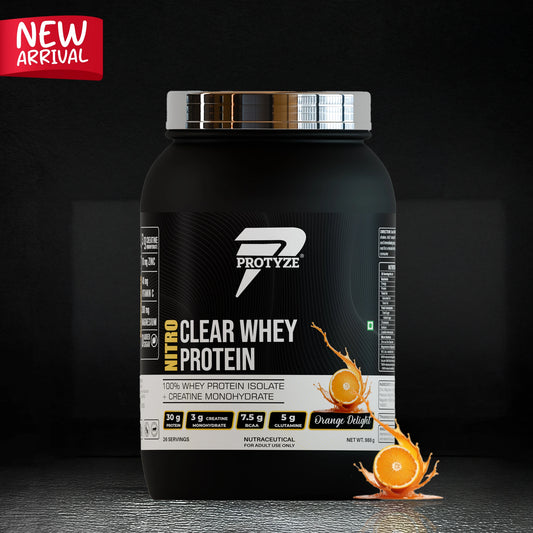
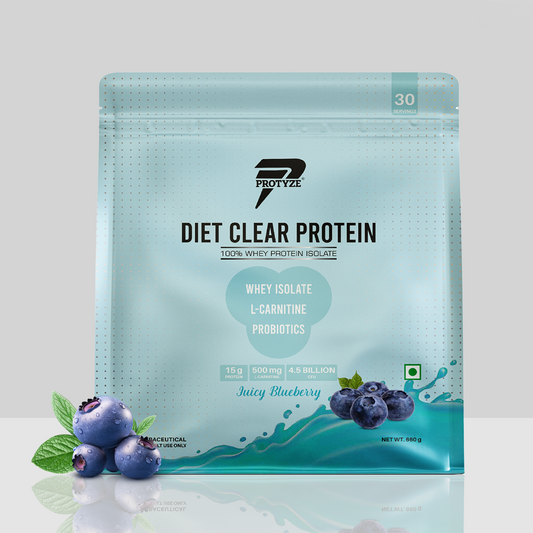
Clear whey protein drinks offer a lighter, more hydration-friendly alternative especially during cold months.
1. Water-Based and Easy to Digest
Unlike creamy shakes, clear protein mixes easily with water and feels light on the stomach. This helps maintain hydration while delivering essential protein without digestive stress.
2. Encourages Fluid Intake
Flavored, refreshing protein drinks make it easier to drink more fluids during winter, when plain water consumption usually drops.
3. Faster Absorption
Clear whey protein isolates absorb quickly, making them ideal for post-workout recovery or between meals when digestion feels sluggish.
4. Supports Muscle Recovery Without Heaviness
Winter training can feel harder on the body due to stiffness and reduced mobility. Light protein support helps muscles recover without discomfort.
Where Protyze Fits Naturally Into Winter Hydration
Rather than replacing water, certain Protyze clear whey options can complement your winter hydration routine when used thoughtfully.
1. For Daily Hydration + Protein Balance
Protyze Anytime Clear Whey Protein Isolate works well for everyday winter use. Its light, non-milky formula supports daily protein needs without making you feel heavy, especially when digestion slows in colder weather. It fits naturally after workouts or between meals when you want hydration with nutrition.
2. For Active Winters & Sports Training
If your winter routine includes outdoor sports, endurance training, or long gym sessions, Protyze Hydra Clear Whey Protein stands out. With added electrolytes and amino acids, it supports hydration, muscle repair, and stamina important factors when cold weather increases fluid loss without obvious sweating.
3. For High-Intensity or Strength Training
For athletes training hard even in winter, Protyze Hydra-X Clear Whey Protein provides hydration support along with strength-focused nutrients. It’s particularly useful when workouts are intense and recovery demands are higher, helping you stay hydrated while supporting muscle repair.
How to Stay Hydrated in Winter (Practical Tips)
Here are simple, effective habits to follow:
-
Drink on a Schedule
Don’t wait for thirst. Sip water regularly throughout the day. -
Add Light Nutrition to Fluids
Clear protein drinks can double as hydration support, especially post-workout. -
Balance Electrolytes
If you train regularly or sweat during winter workouts, include electrolytes to replace lost minerals. -
Warm Fluids Still Count
Herbal teas, warm water, or mildly warm protein drinks can improve comfort without reducing hydration benefits. -
Watch Urine Color
Pale yellow is ideal. Darker shades signal dehydration.
Winter Hydration for Different Lifestyles
1. Office-Goers
Indoor heating dries the air. Regular water intake and a light protein drink once a day can help reduce fatigue and dryness.
2. Fitness Enthusiasts
Protein intake usually increases in winter. Pair it with adequate hydration to avoid bloating and muscle stiffness.
3. Athletes & Outdoor Trainers
Cold weather increases hidden fluid loss. Hydration-focused protein drinks can support endurance and recovery.
FAQs: Winter Hydration & Protein Drinks
Do I really need to hydrate as much in winter as in summer?
Yes. Fluid loss still happens through breathing, urination, and exercise even if you don’t feel sweaty.
Can protein drinks replace water?
No. They should complement water intake, not replace it.
Is cold weather bad for digestion?
Digestion can slow slightly in winter, making lighter, water-based nutrition easier to tolerate.
Are clear protein drinks suitable for daily use?
Yes, when used in moderation as part of a balanced diet.
Should athletes hydrate differently in winter?
Athletes often underestimate winter fluid loss. Electrolytes and adequate protein help maintain performance.
Conclusion:
Winter may feel less demanding on the body, but dehydration is often more common and more ignored during cold months. Reduced thirst, dry air, and unnoticed fluid loss quietly affect energy, recovery, and overall well-being.
By staying mindful of hydration and choosing lighter, clear protein drinks when needed, you can support muscle recovery, digestion, and performance without the heaviness of traditional shakes.
Hydration isn’t just a summer habit it’s a year-round foundation for better health and fitness.