![Top 10 Signs You’re Not Getting Enough Protein [and How to Fix It]](http://www.protyze.com/cdn/shop/articles/High_in_Purines__2_3a449ed0-70d4-4c33-8c4d-fcbe2f9b1d4a.png?v=1788503623&width=1100)
Protein is one of the most important nutrients your body needs every day. It helps build and repair muscles, supports skin, hair, and tissues, and plays a role in producing enzymes, hormones, and antibodies. When your diet consistently provides too little protein, your body may struggle to perform these essential functions.
Protein deficiency can range from mild inadequate intake to severe deficiency associated with malnutrition or certain health conditions. Knowing the signs and symptoms of protein deficiency can help you recognize when your diet may need more protein and when professional advice may be necessary.
Quick Answer
Protein deficiency can occur when you consistently don't get enough protein from your diet. Common signs may include muscle loss or weakness, fatigue, slow recovery, increased hunger, and changes in hair, skin, or nails. Severe deficiency may cause swelling and unintended weight loss. Eating enough protein-rich foods such as eggs, dairy, lentils, beans, fish, and lean meats can help meet your needs.
What Is Protein Deficiency?
Protein deficiency occurs when the body does not receive enough protein to meet its needs over time. Protein requirements vary depending on factors such as age, body size, activity level, pregnancy, health status, and recovery from illness or injury.
People who eat a restricted diet, have limited access to protein-rich foods, have certain digestive or absorption problems, or have increased nutritional requirements may be more likely to develop inadequate protein intake.
A temporary low-protein meal does not usually cause a deficiency. Problems are more likely when protein intake remains inadequate for an extended period.
What Are the Signs and Symptoms of Protein Deficiency?
The symptoms can vary depending on how severe the deficiency is and how long it has been present.
1. Muscle Loss or Weakness
One of the most noticeable effects of inadequate protein intake can be loss of muscle mass or reduced muscle strength. Your muscles require amino acids from protein for maintenance and repair.
If protein intake remains too low, particularly alongside insufficient overall calorie intake, the body may break down muscle tissue to obtain amino acids.
People who exercise regularly may also find it harder to maintain or build muscle when their overall protein intake is inadequate.
2. Slow Recovery
Protein plays an important role in tissue repair. If you consistently consume too little protein, your body may have fewer resources available for normal recovery and maintenance.
You may notice that recovering from intense exercise or minor injuries takes longer than usual. However, slow recovery can have many causes, so it should not automatically be attributed to protein deficiency.
3. Hair, Skin, and Nail Changes
Protein contributes to the structure and maintenance of hair, skin, and nails. Severe or prolonged nutritional deficiencies can therefore affect these tissues.
Changes may include thinning hair, brittle nails, or changes in skin appearance. These symptoms can also occur because of other nutrient deficiencies, hormonal changes, illness, stress, or other conditions.
4. Increased Hunger
Protein can contribute to feelings of fullness after meals. If your meals contain very little protein, you may feel hungry again relatively soon after eating.
However, hunger alone is not a reliable indicator of protein deficiency. Overall calorie intake, meal composition, sleep, activity, and other factors can influence appetite.
5. Fatigue and Low Energy
Protein deficiency may occur alongside inadequate overall food intake, which can contribute to tiredness and weakness.
Fatigue has many possible causes, including inadequate sleep, dehydration, iron deficiency, stress, illness, and insufficient calorie intake. If persistent fatigue is affecting your daily life, it's important to look beyond protein intake alone.
6. Swelling in Severe Cases
Severe protein deficiency can sometimes cause swelling, particularly in the legs, feet, or abdomen. This occurs because inadequate protein can affect the body's ability to maintain normal fluid balance.
Swelling can also be caused by several medical conditions, so unexplained or persistent swelling should be evaluated by a healthcare professional.
Who Is at Risk of Protein Deficiency?
Protein deficiency is not limited to athletes or people following specific diets. Certain groups may have a higher risk of inadequate protein intake, including:
- Older adults with reduced appetite
- People following highly restrictive diets
- Individuals with limited access to nutritious foods
- People recovering from certain illnesses or injuries
- Individuals with digestive or absorption problems
- People with increased protein requirements
Vegetarians and vegans can also meet their protein needs, but they need to include a variety of protein-rich plant foods such as lentils, beans, soy foods, nuts, seeds, and other suitable sources.
How Much Protein Do You Need?
Protein requirements are individual and depend on factors such as body weight, age, activity level, and health status.
Rather than focusing only on a single meal or protein shake, aim to include a protein source across your meals throughout the day. Foods such as eggs, dairy products, fish, poultry, lean meat, beans, lentils, soy products, nuts, and seeds can contribute to daily protein intake.
For people who struggle to obtain enough protein through food, a protein supplement can be a convenient option. However, supplements should complement a balanced diet rather than replace nutritious meals.
How Can You Prevent Protein Deficiency?
The simplest way to reduce the risk of inadequate protein intake is to include protein-rich foods regularly.
A balanced meal could combine a protein source with vegetables, whole grains or other carbohydrate sources, and healthy fats. For example, meals containing dal, beans, paneer, curd, eggs, fish, chicken, tofu, or soy can help increase protein intake.
If you follow a vegetarian or vegan diet, combining different plant-based protein sources throughout the day can help provide a variety of amino acids.
People with specific medical conditions or significantly increased nutritional requirements should speak with a qualified healthcare professional or registered dietitian about their individual protein needs.
Can Whey Protein Help With Low Protein Intake?
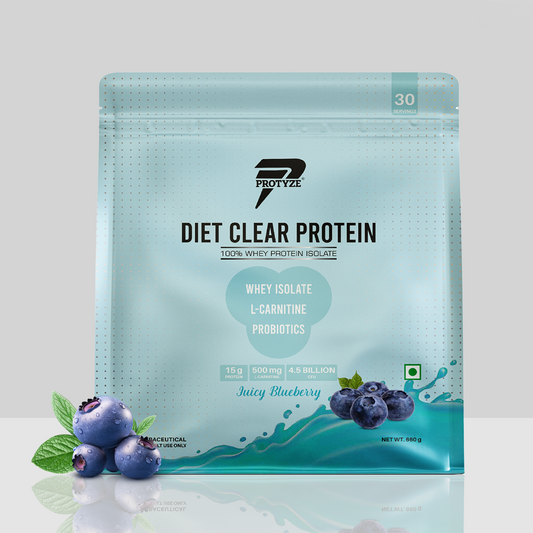
Whey protein can be a convenient way to increase protein intake when regular meals do not provide enough. It contains high-quality protein and can be particularly useful after exercise or between meals.
However, whey protein is not necessary for everyone. If you already meet your protein requirements through a varied diet, adding a supplement may not provide additional benefits.
The priority should always be meeting your overall nutritional needs through a balanced eating pattern.
When Should You See a Doctor?
Symptoms such as unexplained muscle loss, persistent weakness, significant swelling, ongoing fatigue, or unintentional weight loss should not automatically be assumed to be caused by protein deficiency.
If you experience persistent or multiple symptoms, speak with a healthcare professional. They can evaluate your diet, medical history, symptoms, and other possible causes and determine whether further testing or nutritional support is appropriate.
FAQs
Can low protein intake cause muscle loss?
Yes. Consistently inadequate protein intake can make it harder to maintain muscle tissue, particularly when overall calorie intake is also insufficient.
How can I increase my protein intake naturally?
Include foods such as eggs, dairy, fish, poultry, lean meat, lentils, beans, tofu, soy foods, nuts, and seeds in your meals.
Is whey protein good for protein deficiency?
Whey protein can help increase protein intake when dietary sources are insufficient, but the underlying cause of inadequate protein intake should also be addressed.
Can vegetarians get enough protein?
Yes. Vegetarians can obtain adequate protein from foods such as lentils, beans, dairy products, paneer, soy foods, nuts, and seeds when their diet is properly planned.
Is tiredness always a sign of protein deficiency?
No. Fatigue has many possible causes. Protein deficiency is only one potential factor and should not be assumed without considering the overall diet and health situation.
What are the common signs and symptoms of protein deficiency in adults?
Common signs may include muscle loss, weakness, fatigue, slow recovery, increased hunger, and changes in hair, skin, or nails. Severe deficiency may cause swelling or unintended weight loss.
What are the common signs of insufficient protein intake?
Insufficient protein intake may contribute to reduced muscle mass, weakness, fatigue, poor recovery, and difficulty maintaining tissues. However, these symptoms can have other causes as well.
Which health supplements can help address low protein intake?
Protein powders and whey protein supplements can help increase daily protein intake when food alone isn't providing enough. They should complement, not replace, a balanced diet.
How does protein deficiency affect hair and nail health?
Protein supports the structure and maintenance of hair and nails. Prolonged inadequate protein intake may contribute to hair thinning, hair loss, or brittle nails, although other nutritional and health factors can also cause these changes.
Where can I buy protein-rich nutritional products in India?
Protein-rich foods are widely available in India, while whey protein, plant-based protein powders, and other protein supplements can be purchased from reputable nutrition brands and retailers. Always check the ingredient and protein content before buying.
Final Thoughts
Protein is essential for maintaining muscles, repairing tissues, and supporting many important functions in the body. Muscle loss, weakness, slow recovery, hair or nail changes, and persistent fatigue can be possible signs of inadequate protein intake, although these symptoms can have many other causes.
The best approach is to include a variety of protein-rich foods throughout the day and maintain a balanced diet. If you experience persistent or severe symptoms, consult a healthcare professional rather than relying on protein supplements alone.