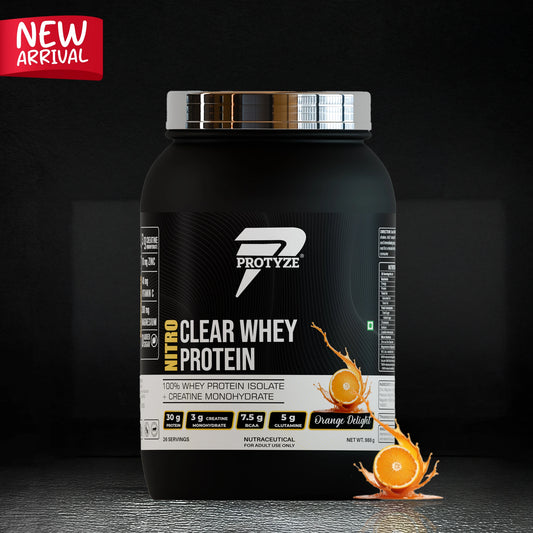

Whey protein is everywhere: in gyms, on social media and on pharmacy shelves. But is it something you actually need, or just a fitness trend? The honest answer is that it depends on your diet, lifestyle and fitness goals. This guide explains who can benefit from whey protein, how much protein Indians really need, the most common myths, and how to use whey the right way.
Do Indians Really Need Whey Protein?
Many Indian meals are rich in carbohydrates like rice and roti but lower in protein, especially vegetarian diets. Whey protein can be useful if:
- You struggle to meet your daily protein needs from food, which is common for vegetarians
- You go to the gym or train regularly, since your body needs more protein to repair and build muscle
- You have a busy lifestyle and often skip meals or rely on quick, low-protein snacks
- You're managing your weight, since protein helps you feel full for longer
- You have specific goals, such as building muscle, recovering faster, or keeping muscle as you get older
Keep in mind that whey is a supplement, not a necessity. If you already meet your protein needs through whole foods, you don't need it. If you have a medical condition, especially a kidney or liver condition, speak to your doctor before adding a protein supplement.
How Much Protein Do Indians Really Need?
Your protein needs depend on your body weight and activity level. As a general guide:
- Sedentary adults: about 0.8–1.0g of protein per kg of body weight a day
- Active people and gym-goers: about 1.2–2.0g per kg a day
For example, an active person who weighs 60 kg may need 72–120g of protein a day. While dals, paneer, and curd provide some protein, meeting daily requirements can be challenging, especially for vegetarians. A typical katori of cooked dal gives only around 7–9g of protein, so you would need several servings of protein-rich foods every day to reach your target.
Protein Enriched Vegetarian Foods for Indians
The good news is that India has plenty of protein enriched vegetarian food options. You just need to eat them in the right amounts and include them in every meal. Here are some of the best vegetarian protein sources:
|
Food |
Serving |
Approx. protein |
|---|---|---|
|
Soya chunks (dry) |
50g |
26g |
|
Paneer |
100g |
18g |
|
Tofu (firm) |
100g |
12–15g |
|
Hung curd / Greek yogurt |
150g |
12–15g |
|
Rajma (cooked) |
1 cup |
13–15g |
|
Kabuli chana (cooked) |
1 cup |
12–14g |
|
Moong or masoor dal (cooked) |
1 cup |
12–14g |
|
Peanuts |
50g |
13g |
Tip: Combine grains with pulses, as in dal-chawal, rajma-rice or chole-roti, to get a fuller range of essential amino acids. Dairy foods like paneer, milk and curd are already complete proteins.
For the full list of foods, meal ideas and a sample high-protein diet plan, read our complete guide to protein rich vegetarian foods in India.
If you still find it hard to reach your daily target with food alone, that's where whey protein can help.
What Is Whey Protein and Why Is It Popular?
Whey is the liquid left behind when milk is turned into paneer or cheese. It is filtered and dried into a powder. Whey is a high-quality, complete protein: it contains all nine essential amino acids, is rich in leucine (the amino acid that switches on muscle building), and digests quickly.
Whey has become popular in India because of growing fitness awareness, busier lifestyles and the need for a quick, convenient source of protein. Because it comes from milk, whey is suitable for lacto-vegetarians.
Benefits of Whey Protein for Indians
1. Complements Protein-Deficient Diets
Whey makes it easier to close the gap between the protein you eat and the protein you need. One scoop usually gives 20–25g of protein.
2. Supports Muscle Growth and Repair
Exercise causes small tears in your muscles, and protein helps repair and rebuild them. Thanks to its high leucine content and fast absorption, whey protein for muscle repair is one of the most popular choices among gym-goers.
3. Aids Weight Management
Protein keeps you full for longer than carbohydrates or fats, which can help reduce snacking and overeating. Getting enough protein also helps you keep muscle while losing fat.
4. Improves Immunity
Your body needs protein to make antibodies and immune cells, so getting enough protein supports a healthy immune system. Whey also naturally contains compounds such as lactoferrin and immunoglobulins.
5. Provides Convenience in Busy Lifestyles
A whey shake takes less than a minute to make. It's an easy option for office-goers, students and anyone who often skips meals.
6. Boosts Energy and Stamina
Whey supports faster recovery between workouts, which helps you feel ready for your next training session. Combined with a balanced diet, this can help you train more consistently.
7. Safe Option for Lactose-Intolerant Individuals
Whey isolate and clear whey contain very little lactose, so many people with mild lactose sensitivity tolerate them well. If you have severe lactose intolerance or a milk allergy, avoid whey or speak to your doctor first.
8. Enhances Skin and Hair Health
Hair, skin and nails are made largely of proteins like keratin and collagen. A diet low in protein can affect them, so meeting your daily protein needs supports healthy skin and hair.
9. Helps Manage Lifestyle Diseases
As part of a balanced diet and active lifestyle, a higher-protein diet can help with weight control and steadier blood sugar levels. If you have diabetes, kidney disease or another condition, speak to your doctor before making changes.
10. Improves Bone Health
Protein, along with calcium and vitamin D, helps maintain strong bones. This becomes more important as you age.
Common Myths About Whey Protein
Myth 1: Whey Protein Is a Steroid
No. Whey is a natural food protein that comes from milk. It contains no hormones or steroids. It's simply a concentrated form of the protein already found in dairy.
Myth 2: It Causes Kidney Damage
There's no strong evidence that normal protein intake harms the kidneys of healthy people. If you already have a kidney condition, though, consult your doctor before increasing your protein.
Myth 3: Only Bodybuilders Need Whey Protein
Not true. Anyone who struggles to meet their daily protein needs can benefit, including students, working professionals, older adults and vegetarians.
Types of Whey Protein: Which One Should You Choose?
- Whey protein concentrate: the most affordable option. It contains some carbohydrates, fat and lactose, and works well for most people.
- Whey protein isolate: filtered further to remove most of the carbs, fat and lactose. It's a good choice for weight loss or for people with lactose sensitivity. Protyze Anytime Clear is a clear whey isolate that mixes with water into a light, juice-like drink, with 24g of protein per scoop.
- Whey protein hydrolysate: pre-digested for very fast absorption. It's usually the most expensive type.
Not sure which brand to choose? See our guide to the best whey protein in India.
How to Include Whey Protein in Your Diet
- Start with one scoop a day and see how your body responds
- Add it to breakfast or have it after training. Taking whey protein after workouts helps your muscles start recovering.
- Use it in snacks, such as smoothies, overnight oats or homemade protein ladoos
- Add it to Indian recipes like lassi, chaas, curd, besan chilla batter or roti dough. Stir it into dishes after cooking rather than boiling it.
- Try it in desserts like kheer or custard once they've cooled slightly
- Stay hydrated and drink enough water through the day
- Speak to a nutritionist if you're unsure how much you need
Remember, whole foods such as dals, paneer, curd, soya, eggs and fish should be your main sources of protein. Use whey to complement them, not replace them. If you need help reaching your target, explore ways to boost your protein intake.
Frequently Asked Questions
Do I need whey protein if I'm vegetarian?
Not always. If you eat enough protein enriched vegetarian foods like dals, paneer, soya, tofu and curd, you may meet your needs without it. Whey helps if you struggle to reach your daily target.
Is whey protein vegetarian?
Yes. Whey comes from milk, so it's suitable for lacto-vegetarians. Check for the green dot on the label.
How much whey protein should I take a day?
Most people need one or two scoops (20–50g of protein) a day, depending on their diet and activity level.
Can women take whey protein?
Yes. Whey is a food protein suitable for both men and women, and it won't make women bulky on its own.
Conclusion
You don't have to take whey protein, but it can be a helpful addition, especially if you're vegetarian, active or have higher protein needs. Start small, make whole foods the main part of your diet, and use whey to fill the gaps. With the right balance of food and supplements, meeting your daily protein needs becomes much easier.