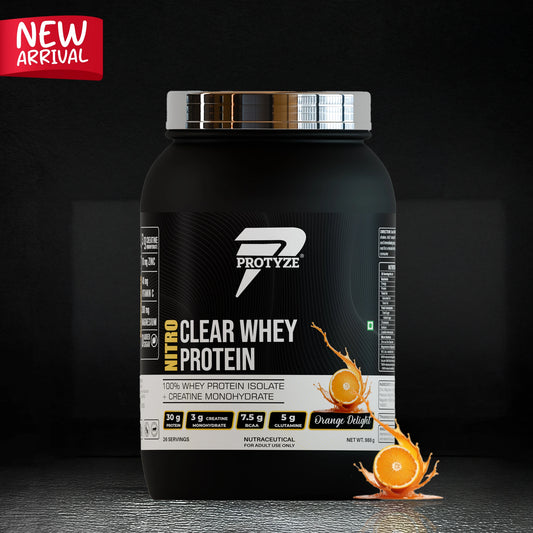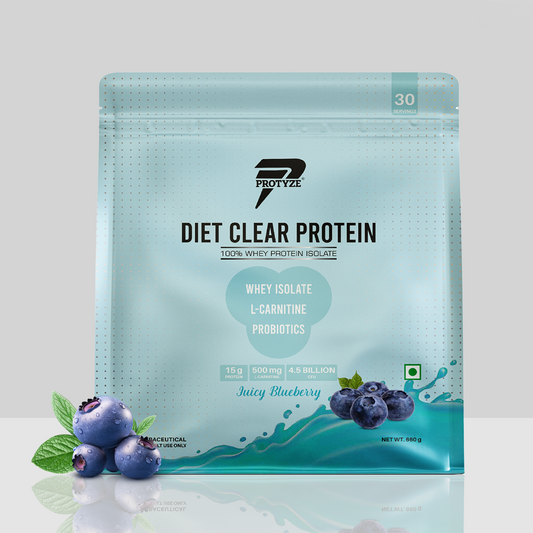

If you have high uric acid, choosing the right protein sources can be confusing. Many people assume that all high-protein foods may increase uric acid, but the type and source of protein matter. Whey protein is a dairy-derived protein, and current evidence does not suggest that moderate protein intake itself increases gout risk. In fact, dairy consumption has been associated with lower uric acid levels and a lower risk of gout in several studies.
However, people with high uric acid should consider their overall diet, hydration, kidney health, medications, and whether they have gout attacks.
Quick Answer :
People with high uric acid can generally consume whey protein in moderate amounts, as whey is a dairy-based protein and is not naturally high in purines. Whey protein isolate or whey protein powder can be convenient protein sources, but people with gout or kidney problems should consult a healthcare professional before using supplements regularly
What Is Whey Protein?
Whey protein is a complete protein obtained from milk during the cheese-making process. It contains all nine essential amino acids and is commonly used to support muscle recovery and daily protein intake.
Whey protein powder is available in different forms, including whey concentrate, whey isolate and hydrolyzed whey. Whey protein isolate generally undergoes additional processing to remove much of the lactose, fat and other non-protein components.
Can People With High Uric Acid Take Whey Protein?
In general, whey protein does not need to be automatically avoided simply because someone has high uric acid.
Research on dietary patterns and gout has found that total protein intake was not associated with increased gout risk, while dairy consumption was associated with lower uric acid levels and reduced gout risk.
More recently, a randomized controlled study involving men with mildly elevated uric acid found that 5 g/day of whey protein hydrolysate for 12 weeks was associated with a reduction in serum uric acid compared with placebo. However, this was a specific whey hydrolysate product and dose, so the findings should not be interpreted as proof that every whey supplement lowers uric acid.
Therefore, whey should not be considered a treatment for high uric acid or gout.
Who Should Use It?
Whey protein may be useful for people who:
- Need additional protein in their diet
- Exercise regularly or participate in resistance training
- Find it difficult to meet protein requirements through food
- Want a convenient post-workout protein source
If you have diagnosed gout, kidney disease, kidney stones, or persistently high uric acid, discuss your protein intake and supplement choices with your healthcare professional.
Benefits of Whey Protein
Supports Daily Protein Intake
Getting enough protein helps support muscle maintenance and recovery. A whey supplement can make it easier to reach your daily protein target.
Convenient and Easy to Use
A serving of whey protein powder can be prepared quickly, making it useful for people with busy schedules.
High-Quality Protein
Whey provides essential amino acids, including branched-chain amino acids, which are important for muscle protein synthesis.
Whey Isolate Option
For people who have difficulty digesting lactose, whey protein isolate may be easier to tolerate than some whey concentrates because it generally contains less lactose.
Side Effects and Precautions
Whey protein can cause digestive symptoms such as bloating, gas or discomfort in some individuals, particularly those sensitive to lactose or dairy.
People with milk allergies should avoid whey unless advised otherwise by a healthcare professional.
More importantly, having high uric acid requires looking at the entire diet rather than focusing on one food. Foods commonly associated with higher gout risk include organ meats, certain seafood, alcohol and high-fructose beverages. Hydration is also an important part of gout management.
Dosage
There is no special whey protein dosage specifically designed to lower uric acid. Your total daily protein requirement should depend on factors such as body weight, activity level, age and health status.
If you already get enough protein from food, you may not need a whey supplement. If you struggle to meet your protein requirements, a serving of whey can be used as a convenient addition to your diet.
Do not use excessive amounts of protein supplements simply because you are trying to build muscle.
Best Time to Take Whey Protein
There is no mandatory time to consume whey protein. It can be taken after a workout, between meals, or whenever it helps you meet your daily protein requirements.
For someone with high uric acid, the overall dietary pattern, adequate hydration and appropriate medical management are more important than taking whey at a particular time.
How to Choose Whey Protein With High Uric Acid
When choosing a whey supplement, consider:
- Protein content: Look for a product that provides a meaningful amount of protein per serving.
- Ingredients: Avoid unnecessary high-sugar ingredients, particularly if you are trying to manage overall metabolic health.
- Lactose tolerance: Consider whey protein isolate if you are sensitive to lactose.
- Serving size: Use the amount that fits your overall protein requirements.
- Quality: Choose a reputable product with clear ingredient and nutrition information.
If you are searching for the best whey protein in India, don't choose solely based on popularity. Consider protein content, ingredients, quality testing, digestibility and whether the product fits your dietary needs.
FAQs
1. Can people with high uric acid safely consume whey protein supplements?
Generally, whey protein can be consumed in moderate amounts by people with high uric acid. However, individual health conditions, kidney function, diet, and medications should be considered.
2. Is whey protein safe for someone with elevated uric acid levels?
Whey protein is a dairy-based protein and is not considered a high-purine food. For most people, moderate intake is unlikely to significantly raise uric acid levels.
3. What are the best whey protein options for individuals with high uric acid in India?
Look for whey products with clear ingredient labels, adequate protein per serving, low added sugar, and reputable quality testing. Whey protein isolate can be an option for people who also have lactose sensitivity.
4. What kind of protein powder is recommended for gout sufferers in India?
A simple whey protein or whey isolate with minimal added ingredients can be considered. The choice should fit your overall protein requirements and dietary needs. People with gout should discuss supplementation with their healthcare professional.
5. Are there any whey protein brands suitable for people managing high uric acid levels?
There is no specific whey protein brand medically recommended for high uric acid. Instead of choosing based only on the brand, check protein content, ingredients, added sugars, serving size, and product quality.
6. Are there specific protein supplements low in purines suitable for high uric acid?
Whey protein is naturally low in purines compared with high-purine foods such as organ meats and certain seafood. However, check the complete ingredient list because additional ingredients can vary between products.
7. Does consuming whey protein affect uric acid levels in the body?
Current evidence does not suggest that moderate whey protein consumption necessarily increases uric acid. Some research has even reported reductions in uric acid with specific whey preparations, but whey should not be considered a treatment for hyperuricemia.
8. What are the risks of consuming whey protein for people with hyperuricemia?
Potential concerns include digestive discomfort, excessive protein intake, or issues related to an underlying kidney condition. If you have gout, kidney disease, or persistently high uric acid, consult a healthcare professional before regularly using protein supplements.
Conclusion
People with high uric acid can generally consume whey protein powder in moderate amounts, as whey is a dairy-based protein and relatively low in purines. However, it should not be considered a treatment for high uric acid or gout. Choose a quality product, stay hydrated, and consult a healthcare professional if you have gout, kidney disease, or persistent hyperuricemia.