
Losing fat is a goal for many people, but one of the most common questions is: How long will it take to see results? The answer depends on several factors, including your diet, exercise routine, metabolism, starting body composition, and consistency.
While some people notice changes within a week or two, sustainable fat loss typically takes time and patience. Understanding what affects your progress can help you set realistic expectations, track results, and build habits that support long-term fat management.
Quick Answer
You may notice small changes within 2–4 weeks with consistent diet and exercise. More visible fat loss usually takes 8–12 weeks or longer, depending on your calorie intake, activity level, sleep, metabolism, and consistency.
A safe, sustainable rate is generally around 0.5–1 kg per week for many people. Focus on steady progress rather than rapid weight loss.
What Affects the Speed of Fat Loss?
1. Calorie Deficit – The Key to Fat Loss
Fat loss happens when you consistently consume fewer calories than your body uses.
A moderate calorie deficit can support gradual and sustainable fat loss. Larger deficits may result in faster weight changes initially, but they can also increase the risk of muscle loss, hunger, and reduced workout performance.
Crash diets and extreme calorie restriction are difficult to maintain and may make it harder to meet your nutritional needs.
The most sustainable approach is a manageable calorie deficit combined with adequate protein, nutritious foods, regular exercise, and sufficient recovery.
2. Your Starting Point and Body Composition
Your current weight, body fat percentage, muscle mass, and activity level can influence how quickly you see results.
People with more body fat may experience faster initial weight changes, while leaner individuals may see slower progress. Your scale weight can also fluctuate because of water retention, glycogen, sodium intake, and food volume.
This is why tracking waist measurements, progress photos, and weekly weight trends can be more useful than relying on a single weigh-in.
3. Nutrition Quality – More Than Just Calories
Fat loss is not simply about eating less. The quality of your diet also matters.
Protein-rich foods can support muscle maintenance and help you feel fuller. Vegetables, fruits, whole grains, legumes, lean protein sources, and healthy fats can provide important nutrients while keeping your diet balanced.
If you struggle to meet your protein requirements, a convenient weight loss drink containing protein can be one option to help increase protein intake without significantly increasing your daily calories.
However, a weight loss drink should complement a balanced diet rather than replace nutritious meals.
4. Exercise Routine – Strength vs. Cardio
The right exercise strategy can support fat loss and improve body composition.
Strength training: Helps maintain and build muscle while dieting.
Cardio: Increases energy expenditure and supports cardiovascular fitness.
A combination of both: Can provide a balanced approach to improving fitness and body composition.
Lifting weights and staying physically active can be particularly useful during fat loss because preserving muscle can help you maintain a leaner body composition.
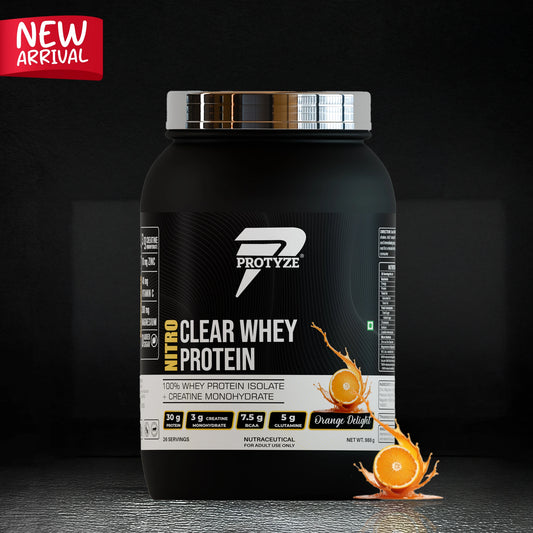
Adding a protein source such as Protyze Diet Clear Whey Protein after training can also be a convenient way to support your daily protein intake.
5. Metabolism and Genetics
Each person's metabolism and genetic makeup can influence how quickly they lose fat.
Daily energy expenditure is affected by factors such as body size, muscle mass, activity level, age, and individual metabolic differences.
Hormonal and medical factors can also influence body weight and appetite. However, genetics do not determine your entire outcome. Consistent nutrition, physical activity, sleep, and lifestyle habits remain important.
When Will You Start Seeing Results?
1 Week: Water Weight Changes
During the first week of a diet, changes on the scale may be influenced significantly by water and glycogen rather than body fat.
Changes in carbohydrate and sodium intake can affect water retention. You may see a lower number on the scale without a major visible change in body fat.
This is normal and does not mean your plan is or is not working.
2–4 Weeks: Early Fat Loss Signs
With a consistent calorie deficit, you may begin to notice measurable progress after several weeks.
Possible signs include:
- Clothes fitting slightly looser
- A gradual reduction in waist measurements
- Changes in your average body weight
- Improved diet consistency
- Better workout performance
Individual rates of progress vary, so avoid comparing your results directly with someone else's.
4–8 Weeks: Noticeable Progress
After several weeks of consistent nutrition and exercise, changes in body composition may become more noticeable.
You may see:
- Reduced waist circumference
- Improved muscle definition
- Changes around the face and midsection
- Better-fitting clothes
- Improved strength and endurance
Progress photos and measurements can help you identify changes that may not be obvious from the weighing scale.
3+ Months: Significant Changes
Several months of consistent effort can produce more substantial changes in body composition.
Your results will depend on your starting point, calorie intake, protein consumption, exercise routine, daily activity, sleep, and consistency.
The goal should not be to lose fat as quickly as possible. Sustainable habits are more important for maintaining your results.
Tips to Support Healthy Fat Loss
1. Prioritize Protein Intake
Eating adequate protein can support muscle preservation and fullness while following a calorie deficit.
Include protein-rich foods throughout your day. If you struggle to get enough protein from whole foods, a protein supplement can be a convenient option.
Protyze Diet Clear Whey Protein can be used after training or between meals when you need a convenient source of protein.
2. Stay Hydrated
Drinking enough water supports normal digestion, exercise performance, and overall health.
Your individual fluid requirements depend on factors such as your body size, activity level, climate, and diet.
A refreshing fat loss drink can fit into your routine, but no beverage can independently cause body fat loss. Choose drinks that fit your overall calorie and nutrition goals.
3. Incorporate Strength Training
Resistance training can help maintain muscle while you are losing body fat.
Focus on major muscle groups and gradually increase the challenge of your workouts as your strength improves. Combining strength training with regular movement and cardio can support overall fitness.
4. Manage Stress and Sleep
Sleep and stress management are important parts of a sustainable fat-loss routine.
Poor sleep can affect appetite, recovery, and exercise performance. Aim for a consistent sleep schedule and adequate sleep each night.
Stress-management activities such as walking, relaxation exercises, hobbies, and maintaining a regular routine can also support overall well-being.
5. Avoid Extreme Dieting
Fad diets may produce rapid changes in body weight, but they can be difficult to maintain and may make it harder to consume enough protein, fiber, vitamins, and minerals.
Choose a balanced approach that you can realistically follow for months rather than an extremely restrictive plan that lasts only a few weeks.
Can Probiotics Support Your Fat-Loss Routine?
Gut health is an important part of overall nutrition. Some people include probiotics supplements as part of their daily wellness routine.
Probiotics are live microorganisms that may provide health benefits when consumed in adequate amounts. However, their effects can vary depending on the specific strain and the individual.
It is important to understand that probiotics are not a replacement for a calorie deficit, exercise, adequate protein, or a balanced diet.
Probiotics and Gut Health
The gut contains a diverse community of microorganisms that interact with the digestive system and other aspects of health.
If you are focusing on probiotics gut health, consider your overall diet rather than relying on one supplement. Fiber-rich foods such as vegetables, fruits, whole grains, legumes, nuts, and seeds can contribute to a balanced eating pattern.
Some people may also choose probiotics drinks as a convenient way to include specific probiotic strains in their diet.
However, probiotic products differ in their strains, amounts, and formulations, so checking the nutrition and ingredient information is important.
Protyze Diet Clear Whey Protein for Fat Loss
For people looking to increase protein intake while managing calories, Protyze Diet Clear Whey Protein can be included as part of a balanced fat-loss routine.
It provides 15g of protein per serving along with probiotics and L-carnitine. Its light, water-based format makes it a convenient alternative to heavier protein shakes.
It can be used after a workout or between meals when you need a convenient protein source.
However, no protein drink or supplement independently causes fat loss. Your overall calorie intake, protein intake, physical activity, and consistency remain the foundation of successful fat loss.
Who Can Use a Protein Drink During Fat Loss?
A protein drink may be useful for people who:
- Struggle to meet their daily protein target
- Need a convenient post-workout option
- Want a lower-calorie alternative to calorie-heavy snacks
- Have a busy schedule
- Want to increase protein without significantly increasing meal volume
A weight loss drink should complement your overall diet rather than be treated as a shortcut for losing body fat.
Best Time to Have a Protein Drink
There is no mandatory time to consume protein.
You can have a protein drink:
- After a workout
- Between meals
- At breakfast
- As a convenient snack
- Whenever you need additional protein to meet your daily target
Your total daily protein intake is more important than consuming protein at one specific time.
FAQs
How long does it take to see fat loss?
Some people notice changes within the first few weeks, but visible fat loss generally takes longer. Consistent progress over several weeks and months is more meaningful than rapid short-term changes.
Can I lose fat without exercise?
A calorie deficit can lead to weight loss without structured exercise. However, strength training and regular physical activity can help support muscle retention, fitness, and overall health.
Is a weight loss drink enough to lose fat?
No. A weight loss drink cannot independently cause body fat loss. Sustainable fat loss depends primarily on calorie intake, nutrition, physical activity, recovery, and consistency.
Are probiotics drinks good for weight loss?
Probiotics drinks can be part of a balanced diet, but they should not be considered direct weight-loss solutions. Their benefits depend on the specific probiotic strains and formulation.
Do probiotics supplements burn fat?
Probiotics supplements should not be treated as standalone fat-burning products. Research on probiotics and body composition varies by strain, and they should complement rather than replace a balanced diet and active lifestyle.
What does probiotics gut health mean?
Probiotics gut health generally refers to the use of beneficial microorganisms as part of a routine intended to support digestive and overall gut health. The effects depend on the specific probiotic strain and individual.
Can protein help during fat loss?
Yes. Adequate protein can help support muscle maintenance and fullness while following a calorie-controlled diet.
Conclusion
The time it takes to see fat loss results varies based on your diet, exercise routine, metabolism, starting body composition, sleep, and consistency.
Some early scale changes may occur within one to two weeks, while noticeable changes may take four to eight weeks or longer. More significant body-composition changes generally require several months of consistent effort.
A balanced approach that includes a manageable calorie deficit, adequate protein, strength training, hydration, quality sleep, and regular activity is more sustainable than extreme dieting.
A convenient protein option such as Protyze Diet Clear Whey Protein can help support your protein intake. Meanwhile, probiotics supplements and probiotics drinks can complement a balanced nutrition routine for people interested in probiotics gut health, but they should not be treated as shortcuts for fat loss.
Stay consistent, track multiple indicators of progress, and give your body enough time to adapt.