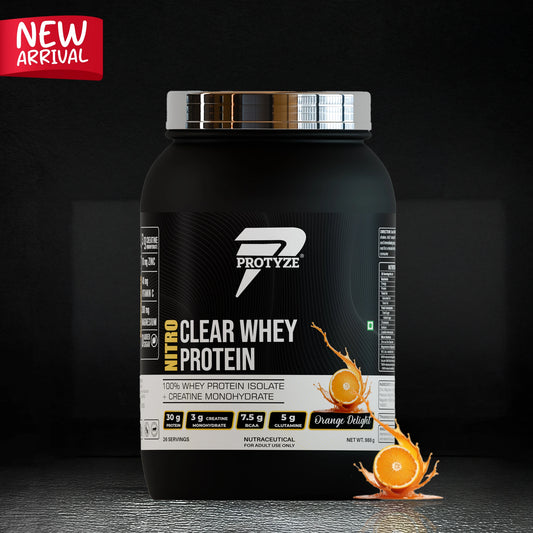

For athletes and fitness enthusiasts, protein is an important part of daily nutrition. It supports muscle repair, recovery and the maintenance of lean muscle mass, especially when combined with consistent resistance training.
Traditional Indian foods such as paneer and soya chunks are excellent protein sources. However, athletes often have demanding schedules, higher protein requirements and limited time for meal preparation. This is where whey protein such as Protyze can offer a convenient alternative.
The goal isn't to replace nutritious foods like paneer or soya. Instead, whey protein can make it easier to meet your daily protein requirements for muscle growth and recovery.
Paneer vs Soya Chunks vs Whey Protein
Paneer provides protein along with fat and calories, depending on the type and preparation. It can be a useful addition to meals, but eating enough paneer to meet a high protein target may also increase overall calorie and fat intake.
Soya chunks are another affordable and protein-rich option. They are particularly popular among people following vegetarian diets. However, they require preparation and may not always be convenient immediately before or after training.
Whey protein provides a concentrated source of protein that can be mixed with water or another beverage in minutes. This makes it particularly useful when athletes need a convenient post-workout protein source.
Why Protein Quality Matters for Athletes
Not all protein sources have exactly the same amino acid profile. Whey protein contains all nine essential amino acids and is particularly rich in leucine, an amino acid involved in muscle protein synthesis.
This is one reason whey protein for muscle recovery and growth is popular among athletes and people who participate in strength training.
Paneer and soya can also contribute valuable amino acids to the diet. The important factor is your total protein intake and the variety of protein sources you consume throughout the day.
Rather than relying on one food, combining different protein sources can make it easier to meet your nutritional needs.
Whey Protein Is Convenient for Busy Athletes
Convenience is one of the biggest reasons athletes include whey protein in their nutrition routine.
Preparing a paneer-based meal or cooking soya chunks takes more time than mixing a serving of whey protein with water. When you're heading to work, traveling, or finishing a workout, having a convenient protein option can make maintaining your nutrition routine easier.
For people comparing whey protein isolate vs whey protein concentrate, whey isolate generally contains a higher percentage of protein and less lactose and fat. The right choice depends on individual dietary preferences, tolerance and nutritional goals.
Protyze and Post-Workout Nutrition
After training, your body needs adequate nutrition to support recovery. Protein is particularly important because exercise creates a stimulus for muscle repair and adaptation.
A convenient whey protein shake can provide protein without requiring a full meal immediately after your workout.
For athletes focused on post-workout nutrition for muscle recovery, whey can therefore be a practical addition to a balanced diet.
This doesn't mean you need to consume protein immediately after the last repetition of your workout. Your overall daily protein intake matters considerably more than relying on a narrow post-workout window.
Whey Protein Can Make Protein Targets Easier
Athletes often have higher protein requirements than sedentary individuals. Getting all of that protein from whole foods is possible, but it can sometimes be difficult because of appetite, meal timing and preparation.
For example, someone trying to increase protein intake for muscle building may find it easier to include one serving of whey protein alongside regular meals rather than adding another large meal.
This is where supplements can complement whole foods rather than replace them.
Paneer, soya chunks, eggs, fish, chicken, dairy products, lentils and other foods can continue to form the foundation of a balanced diet, while whey protein fills nutritional gaps when required.
Is Whey Better Than Paneer or Soya?
There isn't one protein source that is automatically best for everyone.
Paneer can be a nutritious source of protein and is easy to incorporate into Indian meals. Soya chunks provide plant-based protein and can be especially useful for vegetarians. Whey protein offers convenience, a concentrated protein serving and a complete amino acid profile.
The best choice depends on your dietary preferences, protein requirements, calorie intake, digestion, budget and training routine.
For athletes, the biggest advantage of whey is often convenience and consistency.
How Athletes Can Combine Whey With Whole Foods
You don't have to choose between whey protein, paneer and soya chunks. Using all three can provide variety throughout the day.
For example, breakfast could include eggs or dairy, lunch could contain soya or paneer, and a whey shake could be used around training or between meals.
This approach makes it easier to maintain a consistent high-protein diet for muscle growth and recovery without relying entirely on supplements.
FAQ's
1. Why do athletes in India choose plant-based protein supplements over traditional sources like paneer and soya chunks?
Plant-based protein supplements offer convenience, easy portion control and a quick way to increase protein intake. Paneer and soya chunks can still be valuable whole-food protein sources.
2. Why do athletes prefer specialized protein supplements over whole foods?
Protein supplements are convenient, portable and provide a concentrated amount of protein without requiring meal preparation.
3. What are the benefits of protein supplements for athletes compared to paneer and soya chunks?
They can provide a convenient, concentrated protein serving and may be easier to consume around training, while paneer and soya provide additional nutrients as whole foods.
4. What are the benefits of rapid-digesting protein for post-workout recovery?
Rapid-digesting proteins can deliver amino acids to the body relatively quickly, making them a convenient option after training to support muscle recovery.
5. How do protein absorption rates compare between supplements and traditional protein sources?
Absorption varies by protein type, processing and the overall meal. Whey generally digests faster than paneer, while digestion of plant proteins such as soya can vary.
6. How do protein supplements enhance athletic performance compared with paneer or soya chunks?
Protein supplements don't automatically improve performance more than whole foods. Their main advantage is making it easier to consistently meet protein requirements that support training and recovery.
7. Are traditional Indian protein sources sufficient for elite athletes?
They can contribute significantly to an athlete's protein intake, but elite athletes may use supplements when whole foods alone are inconvenient for meeting their specific nutritional requirements.
8. Where can I buy high-quality protein supplements popular among Indian athletes?
Look for products through official brand websites and reputable nutrition retailers, and check protein content, ingredients, quality certifications and nutritional information before purchasing.
9. How does the digestibility of advanced protein formulas compare with paneer?
Many whey-based protein formulas are generally digested more quickly than paneer, making them convenient around workouts. Individual digestion and tolerance can vary.
The Bottom Line
Athletes choose whey protein like Protyze for a simple reason: it provides a convenient way to increase protein intake without requiring additional meal preparation.
Paneer and soya chunks remain valuable protein-rich foods and can absolutely be part of an athlete's diet. Whey protein simply offers another option when convenience, protein concentration and easy consumption are priorities.
For the best results, focus on your overall diet, adequate protein intake, progressive training, recovery and consistency. Supplements work best when they complement a well-balanced nutrition and training routine rather than replace nutritious whole foods.