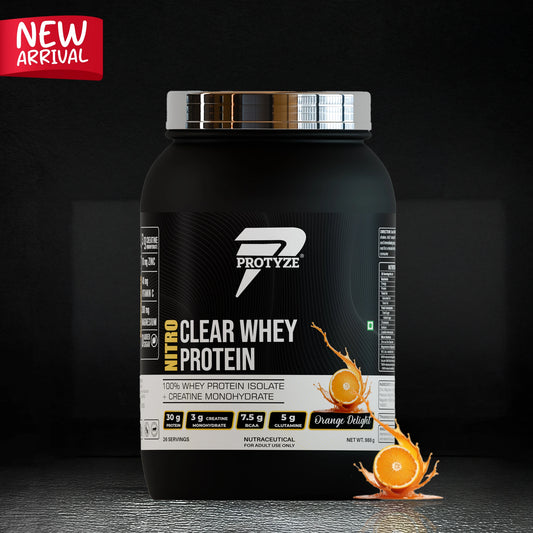

Why Protein Matters When You Want to Lose Weight
When most people start a weight loss journey, they focus on cutting calories, skipping sweets, or eating fewer carbs. But one nutrient quietly does a lot of the heavy lifting: protein. Eating enough protein can make dieting feel easier, help you hold on to muscle, and keep your metabolism working in your favor.
So how much protein do you actually need to lose weight? The short answer for most adults is about 1.2 to 1.6 grams of protein per kilogram of body weight per day, and up to 2.2 g/kg if you strength train. Let's break down why, and how to hit that number without overthinking it.
How Protein Helps You Lose Weight
It keeps you full for longer. Protein is the most filling of the three macronutrients. It influences hunger hormones, lowering ghrelin (which makes you hungry) and raising hormones like GLP-1 and PYY that signal fullness. When you feel satisfied, it's far easier to eat less without constant cravings.
It burns more calories during digestion. Your body uses energy to digest food, known as the thermic effect of food. Protein has the highest thermic effect: roughly 20–30% of its calories are used just to process it, compared with about 5–10% for carbs and 0–3% for fats.
It protects your muscle. When you eat in a calorie deficit, your body can break down muscle along with fat. Losing muscle slows your metabolism and can leave you looking "soft" rather than toned. A higher protein intake, especially paired with resistance training, helps you keep muscle so that most of the weight you lose is fat.
It helps prevent weight regain. Because protein supports muscle and appetite control, people who keep their intake up tend to find it easier to maintain their results after the diet ends.
How Much Protein Do You Need?
The standard recommendation (RDA) for adults is 0.8 g of protein per kilogram of body weight. That's the minimum to avoid deficiency, not the ideal amount for weight loss. Research on people in a calorie deficit generally supports a higher range:
|
Your situation |
Daily protein (g per kg of body weight) |
|---|---|
|
Sedentary, general health |
0.8 |
|
Losing weight, lightly active |
1.2–1.6 |
|
Losing weight and strength training |
1.6–2.2 |
For example, a 70 kg person trying to lose weight would aim for about 84–112 g of protein a day, and up to around 150 g if they lift weights regularly.
If you have a lot of weight to lose, base your target on your goal weight rather than your current weight. This keeps the number realistic and avoids overestimating your needs.
Best Protein Sources for Weight Loss
The best protein foods give you plenty of protein for relatively few calories. Good options include:
- Animal sources: chicken breast, fish, eggs, lean meat, Greek yogurt, paneer, and low-fat milk.
- Plant sources: lentils (dal), chickpeas, rajma, tofu, tempeh, soy chunks, edamame, peanuts, and seeds like pumpkin and hemp.
- Convenient options: whey or plant protein powder, roasted chana, and sprouts.
Vegetarians can absolutely meet their needs. Combining different plant proteins through the day, like dal with rice or curd with a chana salad, gives your body a complete range of amino acids.
Practical Tips to Hit Your Protein Target
- Spread it across meals. Aim for roughly 25–40 g of protein per meal instead of loading it all at dinner. This keeps you full throughout the day and supports muscle repair.
- Start with a protein-rich breakfast. Eggs, Greek yogurt, besan chilla, or a moong dal dosa can curb mid-morning cravings.
- Build your plate around protein. Fill about a quarter of your plate with a protein source, half with vegetables, and the rest with whole grains.
- Choose protein-rich snacks. Swap biscuits or chips for roasted chana, a boiled egg, buttermilk, or a handful of nuts.
- Track for a few days. You don't need to count forever, but logging your food for a week shows you where you're falling short.
- Pair it with strength training. Two to three sessions a week give your body a reason to keep the muscle that protein helps protect.
Can You Eat Too Much Protein?
For healthy adults, intakes up to about 2 g per kg of body weight are generally considered safe. More isn't always better, though. Extra protein still adds calories, and piling it on can crowd out fiber-rich vegetables, fruits, and whole grains.
If you have kidney disease, diabetes, or another medical condition, talk to your doctor or a registered dietitian before significantly raising your protein intake. Also remember to drink enough water, since a higher-protein diet slightly increases your fluid needs.
FAQ's
1. How much protein should I eat daily to lose weight effectively?
Most adults trying to lose weight do well with about 1.2–1.6 grams of protein per kilogram of body weight per day. If you do strength training, aim higher, around 1.6–2.2 g/kg. For a 70 kg person, that works out to roughly 84–112 g a day.
2. What is the recommended daily protein intake for weight loss?
The general RDA is 0.8 g/kg, but that is only the minimum to avoid deficiency. For weight loss, research supports a higher range of 1.2–1.6 g/kg, because it helps preserve muscle during a calorie deficit. If you have a lot of weight to lose, base your calculation on your goal weight.
3. What are some high-protein vegetarian meal ideas for fat loss?
- Breakfast: a besan or moong dal chilla, Greek yogurt with seeds, or a tofu bhurji.
- Lunch: a rajma or chole bowl with salad, or dal with brown rice and curd.
- Dinner: paneer or tofu stir-fry with vegetables, or a soy chunk curry.
- Snacks: roasted chana, sprouts chaat, buttermilk, or a handful of nuts.
Mixing different plant proteins through the day gives you a complete range of amino acids.
4. How do protein shakes help you feel full during weight loss?
Protein shakes increase fullness hormones like GLP-1 and PYY and lower ghrelin, the hormone that makes you hungry. This helps you eat less at your next meal. They’re also a quick, low-calorie way to reach your protein target, especially as a snack or after a workout. They work best as a supplement to whole foods, not a replacement for them.
The Bottom Line
Protein won't melt fat on its own, but it makes losing weight noticeably easier. It keeps hunger in check, burns a few extra calories during digestion, and protects the muscle that keeps your metabolism strong. For most people, 1.2–1.6 g per kg of body weight is a smart target, rising to 1.6–2.2 g/kg if you strength train.
Start small: add a protein source to every meal, choose smarter snacks, and stay consistent. Combined with a modest calorie deficit and regular movement, enough protein can help you lose fat, keep muscle, and keep the weight off for good.