
Electrolytes are essential minerals that regulate hydration, muscle contractions, nerve signals, and energy production in the body. The most important electrolytes include sodium, potassium, and magnesium, which work together to maintain fluid balance and optimal muscle and nerve function.
When these minerals fall below optimal levels, the body starts showing clear warning signs such as fatigue, muscle cramps, headaches, dizziness, and poor workout performance.
In our previous cluster article “Best Electrolytes for Indian Summers: Sodium, Potassium & Magnesium Explained,” we discussed how these minerals help maintain hydration during heat and intense workouts. If you haven’t read it yet, that guide explains how electrolytes work and why they are essential for hydration and performance.
This article expands the cluster by focusing on electrolyte imbalance symptoms, how to identify low sodium, potassium, and magnesium, and what you can do to restore balance quickly.
What Is an Electrolyte Imbalance?
An electrolyte imbalance occurs when the levels of essential minerals in the body become too low or too high. This can disrupt several important bodily functions including:
- Hydration regulation
- Muscle contractions
- Nerve signal transmission
- Heart rhythm stability
- Energy production
Common causes of electrolyte imbalance include:
- Excessive sweating during workouts
- Dehydration in hot weather
- Low mineral intake in diet
- Intense physical activity
- Diarrhea or vomiting
- Long fasting periods
In India, electrolyte imbalance becomes particularly common during summer months, when high temperatures increase sweating and fluid loss.
High-intent search keywords integrated:
- Electrolyte imbalance symptoms
- Signs of low electrolytes
- Symptoms of low sodium
- Potassium deficiency symptoms
- Magnesium deficiency symptoms
Early Signs Your Electrolytes May Be Low
Before severe symptoms appear, the body often gives early warning signs of electrolyte imbalance.
Common early symptoms include:
- Persistent fatigue or low energy
- Muscle cramps or spasms
- Headaches
- Increased thirst
- Difficulty concentrating
- Weakness during workouts
- Dizziness or lightheadedness
These symptoms usually indicate low sodium, potassium, or magnesium levels, especially if you sweat heavily during exercise.
Ignoring these signs can lead to more serious complications, including severe muscle weakness, irregular heartbeat, or dehydration.
Symptoms of Low Sodium (Hyponatremia)
Sodium is one of the most important electrolytes responsible for maintaining fluid balance and nerve function.
When sodium levels drop too low, the condition is called hyponatremia.
Common Symptoms of Low Sodium
- Nausea or vomiting
- Headaches
- Confusion or brain fog
- Muscle weakness
- Fatigue
- Dizziness
- Low blood pressure
Severe Symptoms
- Severe muscle cramps
- Seizures
- Loss of consciousness
Low sodium often occurs due to:
- Excess sweating
- Drinking excessive plain water without electrolytes
- Long endurance workouts
- Hot weather dehydration
Athletes, runners, and gym-goers are particularly at risk if they replace sweat loss only with water but not electrolytes.
Symptoms of Potassium Deficiency (Hypokalemia)
Potassium plays a crucial role in muscle contractions, nerve signaling, and heart function.
Low potassium levels are known as hypokalemia.
Common Potassium Deficiency Symptoms
- Muscle weakness
- Fatigue
- Muscle cramps
- Constipation
- Tingling sensations
Severe Symptoms
- Irregular heartbeat
- Breathing difficulty
- Extreme fatigue
Low potassium can occur due to:
- Poor diet
- Excess sweating
- Digestive issues
- Intense workouts
Since potassium is critical for muscle function, low levels can directly affect workout performance and recovery.
Symptoms of Magnesium Deficiency
Magnesium is involved in more than 300 biochemical reactions in the body, including muscle recovery and energy production.
Unfortunately, magnesium deficiency is quite common due to modern diets and soil depletion.
Common Magnesium Deficiency Symptoms
- Muscle cramps
- Twitching muscles
- Fatigue
- Poor sleep quality
- Irritability
- Anxiety
Severe Symptoms
- Numbness
- Heart rhythm abnormalities
- Chronic muscle spasms
Magnesium deficiency can also worsen muscle soreness after workouts.
Electrolyte Imbalance Symptoms Comparison
|
Electrolyte |
Key Function |
Early Symptoms |
Severe Symptoms |
|
Sodium |
Hydration balance, nerve signals |
Headache, fatigue, dizziness |
Seizures, confusion |
|
Potassium |
Muscle contraction, heart rhythm |
Weakness, cramps |
Irregular heartbeat |
|
Magnesium |
Muscle recovery, energy production |
Muscle twitching, fatigue |
Severe muscle spasms |
This comparison helps quickly identify which electrolyte deficiency might be causing your symptoms.
Who Is Most at Risk of Electrolyte Imbalance?
Certain groups are more prone to electrolyte imbalance.
1. Athletes & Gym-Goers
Heavy sweating during workouts leads to significant electrolyte loss.
2. People Living in Hot Climates
Indian summers can cause rapid dehydration and electrolyte depletion.
3. People Following Restrictive Diets
Low-carb or crash diets often lack sufficient minerals.
4. Individuals with Digestive Issues
Vomiting or diarrhea causes rapid electrolyte loss.
5. Office Workers Who Drink Only Coffee or Tea
Caffeine can increase fluid loss and worsen dehydration.
Best Ways to Restore Electrolyte Balance
If you experience symptoms of low electrolytes, restoring balance quickly is important.
1. Eat Electrolyte-Rich Foods
Include foods rich in sodium, potassium, and magnesium such as:
- Bananas
- Coconut water
- Spinach
- Yogurt
- Nuts and seeds
- Avocados
You can read our detailed guide on electrolyte-rich foods in the Indian diet for a complete list.
2. Drink Electrolyte-Based Hydration Drinks
Plain water may not be enough if you sweat heavily.
Electrolyte drinks help replenish lost minerals faster and more efficiently.
3. Use Hydration-Based Clear Protein Drinks
For people who work out regularly or sweat heavily in summer, hydration and electrolyte replenishment are just as important as protein intake.
Plain water helps, but it may not fully replace the electrolytes lost through sweat, especially during intense workouts or hot weather.
This is where hydration-focused protein drinks can help.
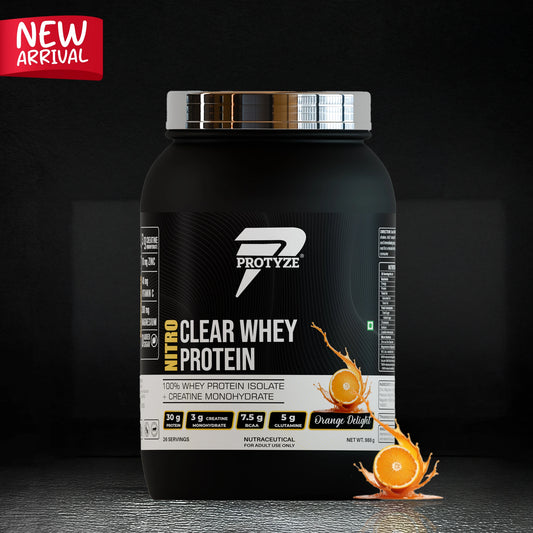
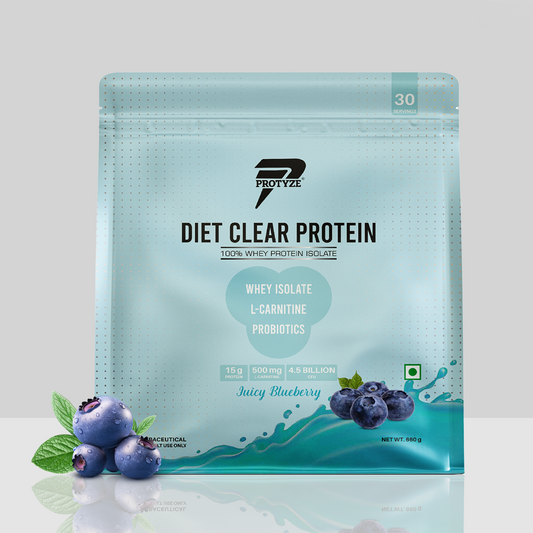
Drinks like Hydra Clear Protein by Protyze combine:
- High-quality whey isolate protein
- Electrolytes for hydration
- Light and refreshing juice-like taste
- No heavy or milky texture
Unlike traditional protein shakes, clear protein drinks feel more like a refreshing hydration beverage, making them ideal during hot weather.
Hydra Clear Protein is especially useful for:
- Summer workouts
- Post-workout hydration
- Recovering from heavy sweating
- Maintaining electrolyte balance
Since it delivers both protein and electrolytes, it supports muscle recovery while helping replenish essential minerals like sodium and potassium.
This makes hydration-focused clear protein a smart option for:
- Gym-goers
- Runners
- Outdoor athletes
- Anyone experiencing fatigue or cramps due to dehydration
When Should You See a Doctor?
Most mild electrolyte imbalances can be corrected with diet and hydration.
However, you should seek medical help if you experience:
- Severe confusion
- Persistent vomiting
- Irregular heartbeat
- Severe muscle weakness
- Loss of consciousness
These may indicate serious electrolyte imbalance requiring medical attention.
Final Thoughts
Electrolytes like sodium, potassium, and magnesium are essential for hydration, muscle performance, and overall health.
Ignoring early symptoms such as fatigue, cramps, headaches, and dizziness can lead to more serious problems.
By maintaining a balanced diet, staying hydrated, and replenishing electrolytes during workouts or hot weather, you can prevent electrolyte imbalances and maintain optimal performance.
Adding light hydration-based protein drinks like clear whey protein can also help support recovery and hydration simultaneously - especially during hot summers.