
Building a strong, well-defined chest doesn't require an expensive gym membership or advanced equipment. With the right combination of bodyweight exercises, progressive overload, proper nutrition, and recovery, you can effectively develop your chest muscles from the comfort of your home. Pairing your training routine with the best whey protein build muscle strategy can further support muscle growth, recovery, and overall performance.
Whether you're a beginner or someone looking to improve upper-body strength, this guide will help you understand the best exercises, training techniques, and nutritional strategies needed to achieve impressive chest development.
Featured Snippet: Can You Build Chest Muscles at Home?
Yes, you can build chest muscles at home using body weight exercises such as push-ups, incline push-ups, decline push-ups, and chest dips. Consistent training, progressive overload, adequate protein intake, and proper recovery are the key factors that stimulate muscle growth and improve chest strength without needing gym equipment.
Why Building Chest Muscles Matters
The chest muscles, primarily known as the pectoralis major and pectoralis minor, play a crucial role in upper-body strength and daily movements.
Benefits of stronger chest muscles include:
- Improved pushing strength
- Better posture
- Enhanced athletic performance
- Increased upper-body muscle mass
- Better shoulder stability
- Improved functional fitness
A well-developed chest also contributes to a balanced and aesthetically pleasing physique.
Understanding Chest Muscle Anatomy
Before starting your workouts, it's helpful to understand the chest muscles.
Pectoralis Major
The largest chest muscle is responsible for:
- Pushing movements
- Arm adduction
- Shoulder flexion
Pectoralis Minor
Located underneath the pectoralis major and helps:
- Stabilize the shoulder blades
- Support proper shoulder movement
Different exercises emphasize different regions of the chest, making exercise variety important.
Best Home Exercises to Build Chest Muscles
1. Standard Push-Ups
Push-ups remain one of the most effective chest-building exercises.
How to Perform
- Start in a plank position.
- Place hands slightly wider than shoulder-width.
- Lower your chest toward the floor.
- Push back up to the starting position.
Recommended Sets and Reps
- Beginners: 3 sets of 8–12 reps
- Intermediate: 4 sets of 15–20 reps
2. Incline Push-Ups
Incline push-ups target the lower chest and are ideal for beginners.
How to Perform
- Place hands on a bench, chair, or elevated surface.
- Keep your body straight.
- Lower and push up with control.
Benefits:
- Easier than standard push-ups
- Improves chest activation
- Builds foundational strength
3. Decline Push-Ups
Decline push-ups increase emphasis on the upper chest.
How to Perform
- Elevate your feet on a chair.
- Keep hands on the floor.
- Lower your chest and push upward.
Benefits:
- Greater upper chest engagement
- Increased resistance
- Improved shoulder strength
4. Wide-Grip Push-Ups
Wide-grip push-ups place additional stress on the chest muscles.
Benefits:
- Greater chest activation
- Reduced triceps involvement
- Enhanced muscle growth stimulus
5. Diamond Push-Ups
Although primarily known for triceps activation, diamond push-ups also engage the inner chest.
Benefits:
- Increased muscle definition
- Improved upper-body strength
- Greater arm development
6. Archer Push-Ups
An advanced variation that increases unilateral strength.
Benefits:
- Improved muscle balance
- Greater chest recruitment
- Enhanced strength development
7. Chest Dips Using Parallel Surfaces
If available, chest dips are excellent for lower chest development.
Benefits:
- Significant chest activation
- Increased strength
- Enhanced muscle growth potential
Weekly Chest Workout Plan at Home
| Day | Exercise | Sets | Reps |
| Monday | Standard Push-Ups | 4 | 15 |
| Monday | Incline Push-Ups | 3 | 15 |
| Monday | Wide Push-Ups | 3 | 12 |
| Thursday | Decline Push-Ups | 4 | 12 |
| Thursday | Diamond Push-Ups | 3 | 10 |
| Thursday | Archer Push-Ups | 3 | 8 |
Train your chest 2–3 times weekly while allowing sufficient recovery.
How Does Progressive Overload Build Chest Muscles?
Progressive overload refers to gradually increasing training difficulty over time.
Methods include:
- Increasing repetitions
- Adding sets
- Slowing down repetitions
- Reducing rest periods
- Using weighted backpacks
Without progressive overload, muscle growth eventually slows.
What Role Does Nutrition Play in Chest Muscle Growth?
Training provides the stimulus, but nutrition supplies the building blocks.
Key Nutrients for Muscle Growth
Protein
Protein helps repair and build muscle tissue.
Good protein sources include:
- Paneer
- Greek yogurt
- Lentils
- Chickpeas
- Milk
- Whey protein
Carbohydrates
Provide energy for workouts.
Examples:
- Rice
- Oats
- Potatoes
- Fruits
Healthy Fats
Support hormone production.
Examples:
- Nuts
- Seeds
- Avocados
- Peanut butter
Best Whey Protein Build Muscle: Why Protein Matters
One of the most common questions among fitness enthusiasts is whether protein supplements are necessary.
While whole foods should always form the foundation of your nutrition plan, whey protein can help you consistently meet your daily protein requirements.
Benefits include:
- Fast absorption
- High leucine content
- Supports muscle recovery
- Convenient post-workout nutrition
- Helps maintain lean muscle mass
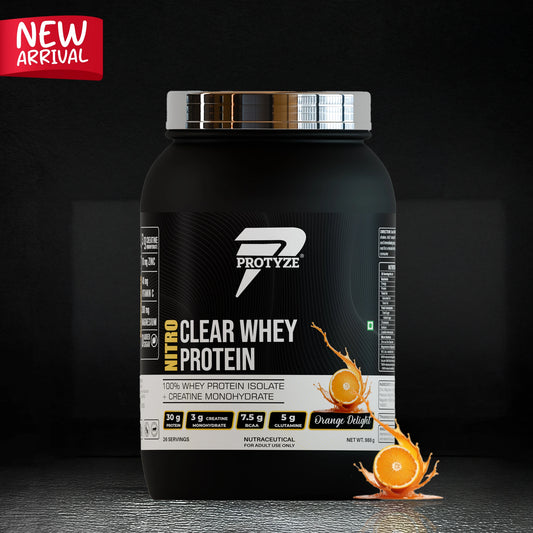
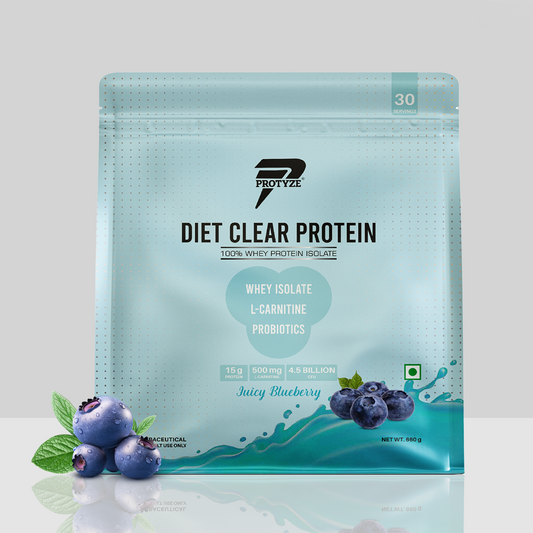
For individuals looking to support recovery after intense home workouts, a clear whey protein option such as Protyze Anytime Clear Whey Protein can be a convenient way to increase daily protein intake while staying hydrated.
Benefits of Building Chest Muscles at Home
1. Convenience
No commuting required.
2. Cost Savings
No gym membership expenses.
3. Flexible Scheduling
Train whenever it suits your routine.
4. Improved Consistency
Home workouts eliminate many common barriers to exercise.
5. Better Functional Strength
Body weight exercises improve overall movement quality.
Common Mistakes When Training Chest at Home
Skipping Warm-Ups
Always warm up before exercising.
Poor Push-Up Form
Incorrect technique reduces chest activation.
Training Too Frequently
Muscles grow during recovery, not during workouts.
Ignoring Nutrition
Muscle growth requires adequate protein and calories.
Lack of Progressive Overload
Without increasing difficulty, results eventually plateau.
How Long Does It Take to Build Chest Muscles at Home?
Results depend on:
- Training frequency
- Workout intensity
- Protein intake
- Recovery quality
- Genetics
Most people notice:
- Strength improvements within 2–4 weeks
- Visible muscle definition within 8–12 weeks
- Significant changes within 3–6 months
Consistency is the biggest factor.
Expert Tips for Faster Chest Growth
- Train chest twice weekly.
- Focus on full range of motion.
- Consume sufficient protein daily.
- Sleep 7–9 hours nightly.
- Track workout performance.
- Use progressive overload consistently.
- Maintain proper exercise technique.
Key Takeaways
- Home workouts can effectively build chest muscles.
- Push-ups remain one of the best chest-building exercises.
- Progressive overload is necessary for continuous growth.
- Nutrition and protein intake play a major role in muscle development.
- Recovery is as important as training.
- Consistency produces long-term results.
- The best whey protein build muscle approach supports recovery and helps meet daily protein needs.
FAQs
1.Can push-ups alone build a big chest?
Yes. Push-ups can effectively build chest muscles when performed consistently and progressively.
2.How many push-ups should I do daily?
Quality matters more than quantity. Focus on structured training rather than daily maximum repetitions.
3.Is home chest training effective?
Absolutely. Many body weight exercises provide enough resistance for muscle growth.
4.How often should I train chest?
Two to three sessions per week are ideal for most individuals.
5.What foods help chest muscle growth?
Protein-rich foods such as dairy products, legumes, lentils, eggs, and whey protein support muscle development.
Conclusion
Building a stronger chest at home is entirely possible when you combine effective body weight exercises, proper training techniques, and smart nutrition. By following a structured workout plan, progressively increasing difficulty, and ensuring adequate protein intake, you can achieve noticeable muscle growth without stepping into a gym. For those looking to optimize recovery and protein intake, incorporating the best whey protein build muscle strategy alongside consistent training can help accelerate progress and support long-term fitness goals.