
Many people think that muscles grow while they are exercising. In reality, your workout only creates the stimulus for muscle growth. The actual process of building stronger and larger muscles happens after your training session, when your body repairs the tiny muscle fibers damaged during exercise.
Recovery is one of the most overlooked aspects of fitness. Whether your goal is muscle gain, strength improvement, or better athletic performance, understanding the science behind recovery can help you achieve better results. Proper nutrition, quality sleep, hydration, and a well-formulated Muscle Recovery Drink In India all play an important role in supporting this process.
Featured Snippet: Why Do Muscles Grow During Recovery?
Muscles grow during recovery because exercise creates tiny tears in muscle fibers. During rest, the body repairs these fibers using protein and nutrients, making them stronger and slightly larger than before. This process, called muscle protein synthesis, is the foundation of muscle growth.
What Happens to Your Muscles During a Workout?
Resistance training, bodyweight exercises, and high-intensity workouts place stress on your muscles. This stress creates microscopic damage to muscle fibers.
Although this sounds harmful, it is actually beneficial because it signals your body to adapt and become stronger.
During a workout, your body:
- Uses stored energy.
- Breaks down muscle tissue.
- Depletes glycogen stores.
- Causes temporary inflammation.
The workout itself is not building muscle. Instead, it is creating the conditions necessary for growth during recovery.
The Science Behind Muscle Growth
What Is Muscle Protein Synthesis?
Muscle Protein Synthesis (MPS) is the biological process where your body repairs and rebuilds damaged muscle fibers using amino acids from protein-rich foods.
If Muscle Protein Synthesis is greater than Muscle Protein Breakdown, muscle growth occurs.
Simple Formula
Muscle Growth = Muscle Protein Synthesis > Muscle Protein Breakdown
This is why proper recovery habits are just as important as your workouts.
Why Recovery Is More Important Than Most People Think
Without recovery, your body cannot repair damaged tissues effectively.
During recovery, your body:
- Rebuilds muscle fibers.
- Restores energy stores.
- Repairs connective tissues.
- Reduces inflammation.
- Improves strength and endurance.
- Prepares for the next workout.
Athletes who ignore recovery often experience slower progress and a greater risk of injury.
Workout vs Recovery: What's the Difference?
| Factor | During Workout | During Recovery |
| Muscle Fiber Damage | High | Low |
| Muscle Building | Very Little | Maximum |
| Energy Levels | Decrease | Recover |
| Protein Synthesis | Begins | Peaks |
| Glycogen Stores | Depleted | Refilled |
| Hormone Balance | Fluctuates | Stabilizes |
The gym breaks muscles down. Recovery builds them back stronger.
How Long Does Muscle Recovery Take?
Recovery time depends on workout intensity and individual factors.
| Workout Type | Recovery Time |
| Light Exercise | 24 Hours |
| Moderate Strength Training | 24–48 Hours |
| Heavy Weight Training | 48–72 Hours |
| Very Intense Sessions | Up to 96 Hours |
Factors that affect recovery include:
- Age
- Fitness level
- Sleep quality
- Daily stress
- Protein intake
- Hydration
- Overall nutrition
Why Sleep Is Essential for Muscle Growth
Sleep is one of the most powerful recovery tools available.
During deep sleep:
- Growth hormone production increases.
- Muscle repair accelerates.
- Protein synthesis improves.
- Cortisol levels decrease.
Experts generally recommend getting 7–9 hours of quality sleep every night for optimal recovery and performance.
How Nutrition Supports Muscle Recovery
Your muscles cannot rebuild without proper nutrients.
Protein
Protein provides amino acids, which are the building blocks of muscle tissue.
Good protein sources include:
- Eggs
- Chicken
- Fish
- Paneer
- Greek yogurt
- Lentils
- Whey protein isolate
Carbohydrates
Carbohydrates help replenish glycogen stores used during exercise.
Examples:
- Rice
- Oats
- Sweet potatoes
- Fruits
- Whole grains
Healthy Fats
Healthy fats support hormone production.
Sources include:
- Almonds
- Walnuts
- Flaxseeds
- Olive oil
Why Hydration Matters for Recovery
Water is involved in almost every recovery process inside the body.
Proper hydration helps:
- Deliver nutrients to muscles.
- Maintain electrolyte balance.
- Reduce fatigue.
- Support muscle contractions.
- Remove metabolic waste.
Many athletes prefer a refreshing Muscle Recovery Drink In India because it combines hydration and protein support in one convenient serving.
Can a Muscle Recovery Drink Help?
A quality recovery drink can be a practical addition to your routine, especially after intense workouts.
Benefits may include:
- Fast-digesting protein.
- Essential amino acids.
- Better hydration support.
- Convenient post-workout nutrition.
- Reduced muscle soreness.
Unlike heavy milk-based shakes, clear whey formulations offer a lighter alternative.
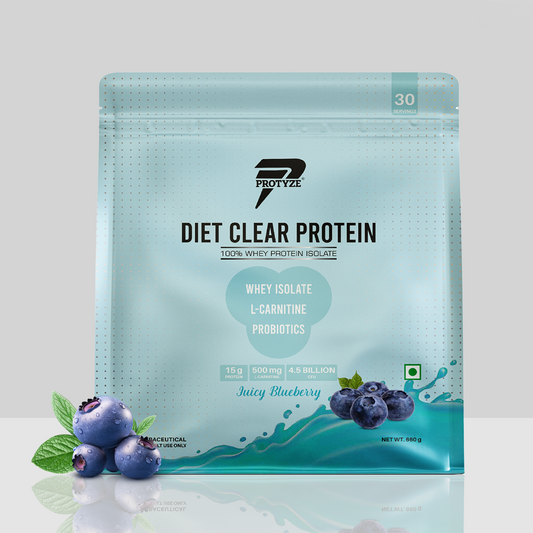
Protyze has introduced clear whey protein options that are designed to provide high-quality protein in a refreshing, juice-like format, making post-workout nutrition easier for people who do not enjoy traditional creamy shakes.
The Role of Hormones in Muscle Recovery
Growth Hormone
Supports tissue repair and muscle regeneration.
Testosterone
Encourages muscle protein synthesis and strength gains.
Insulin
Helps transport nutrients into muscle cells.
Cortisol
Excessive cortisol may increase muscle breakdown and slow recovery.
Managing stress through good sleep, balanced nutrition, and proper recovery habits helps maintain healthy hormone levels.
Benefits of Proper Muscle Recovery
1. Supports Better Muscle Growth
Recovery allows muscles to rebuild stronger.
2. Improves Workout Performance
Recovered muscles can produce more force.
3. Reduces Injury Risk
Rest helps prevent overtraining and overuse injuries.
4. Increases Energy Levels
Glycogen stores are restored during recovery.
5. Helps Maintain Consistency
Good recovery allows you to train regularly without excessive fatigue.
6. Supports Overall Health
Proper recovery benefits immunity, mental focus, and daily energy.
Common Mistakes That Prevent Muscle Growth
Training the Same Muscle Every Day
Muscles need adequate time to recover.
Sleeping Too Little
Lack of sleep reduces recovery efficiency.
Not Eating Enough Protein
Protein is essential for muscle repair.
Ignoring Hydration
Even mild dehydration can reduce performance and recovery.
Skipping Post-Workout Nutrition
Your muscles need nutrients after exercise.
Doing Too Much Cardio
Excessive cardio without proper fueling may interfere with muscle-building goals.
Practical Tips for Faster Recovery
- Consume enough protein every day.
- Sleep for at least 7–9 hours.
- Stay hydrated throughout the day.
- Include active recovery sessions like walking or stretching.
- Train muscle groups with adequate rest between sessions.
- Eat balanced meals containing carbohydrates and healthy fats.
- Consider adding a quality Muscle Recovery Drink In India to your post-workout routine.
Key Takeaways
- Muscles grow during recovery, not during workouts.
- Exercise creates microscopic muscle damage.
- Recovery allows muscle fibers to repair and become stronger.
- Sleep, nutrition, and hydration are essential for muscle growth.
- Protein intake supports muscle protein synthesis.
- Overtraining without proper recovery can slow progress.
- Recovery drinks can be a convenient way to support post-workout nutrition.
FAQs
1. Do muscles grow during exercise?
No. Exercise creates muscle damage, while growth occurs during recovery.
2. What is muscle protein synthesis?
It is the process where the body repairs and builds muscle tissue using amino acids.
3. How much sleep is needed for muscle growth?
Most adults benefit from 7–9 hours of quality sleep.
4. How long do muscles need to recover?
Most muscle groups require 24–72 hours depending on workout intensity.
5. Does protein help muscles recover faster?
Yes. Protein provides the building blocks needed for muscle repair.
Conclusion
The secret to building muscle is not simply training harder—it's recovering better. Every workout creates the opportunity for growth, but your body needs time, nutrients, hydration, and quality sleep to turn that effort into results.
By prioritizing recovery, eating enough protein, staying hydrated, and following a consistent fitness routine, you can improve strength, performance, and long-term progress. Adding a well-designed Muscle Recovery Drink In India to your post-workout nutrition strategy can further support your recovery goals.
For those looking for a lighter and more refreshing alternative to traditional protein shakes, Protyze's clear whey protein range offers a convenient option that fits naturally into an active lifestyle while supporting daily protein intake and muscle recovery.